Thinking about trading city convenience for more space and a quieter daily rhythm? If Weston is on your shortlist, the move can be a smart fit, but it helps to understand what actually changes once you get here. From commute patterns and larger-lot homes to wells, septic systems, and a more community-driven lifestyle, Weston asks you to plan a little differently. Let’s dive in.
Why Weston Feels Different
Weston is not a dense suburb that simply sits outside New York City. It is a small Fairfield County town with an estimated 2025 population of 10,517, located about 45 miles from the city. Official town materials describe Weston as primarily residential, with minimal commercial development and a town center that serves as the main local commercial hub.
That means your day-to-day life may feel more spacious and more private, but also less immediate. Instead of corner stores and a dense grid of services, you are more likely to rely on your car, plan errands in batches, and enjoy the benefits of a lower-density setting.
Another big part of Weston’s identity is land use. Town documents describe Weston as a low-density, open-space town, with roughly 28% to 29% of its land considered conservation or open space, depending on the definition used. If you are moving from a city apartment or townhouse environment, that can be one of the most meaningful lifestyle upgrades.
Commute Planning Matters More Here
If you are relocating from the city, your commute may be the first thing you measure. Weston’s official planning documents note that there is no bus service in town, no taxi service to a bus stop, and that most residents drive to work. The American Community Survey mean travel time to work is 46.6 minutes, which gives you a useful baseline for expectations.
For many residents, commuting means driving to a train station and then taking Metro-North. Official materials place Westport about 5 miles away, and nearby train options can also include South Norwalk and Fairfield. Before you buy, it is worth comparing likely drive times to the station, parking options, and train frequency at the times you would actually travel.
Road access matters too. The Merritt Parkway is a key commuter corridor, but mileage alone does not tell the full story. In Weston, peak-hour traffic patterns and local road pace can shape your routine just as much as the distance on paper.
Test the Routine Before You Buy
One of the smartest things you can do is run your real weekday schedule in advance. Leave from a home area you are considering, drive to the station you expect to use, and take the train at your likely departure time.
That test often tells you more than a map can. It helps you see whether the rhythm feels manageable, especially if you are moving from a setting where public transit and walkability have been a bigger part of daily life.
Weston Housing Is Built Around Space
Weston is overwhelmingly a single-family home market. The town’s 2020 plan states that nearly the entire town is zoned for single-family housing and that 98.5% of housing units are single-family homes. Census QuickFacts also shows a 96.9% owner-occupied housing rate, which speaks to the town’s strong ownership profile.
For city buyers, this usually means a very different housing search. Instead of comparing apartments or attached homes, you will likely be weighing lot size, privacy, yard maintenance, storage, and how the home sits on the property.
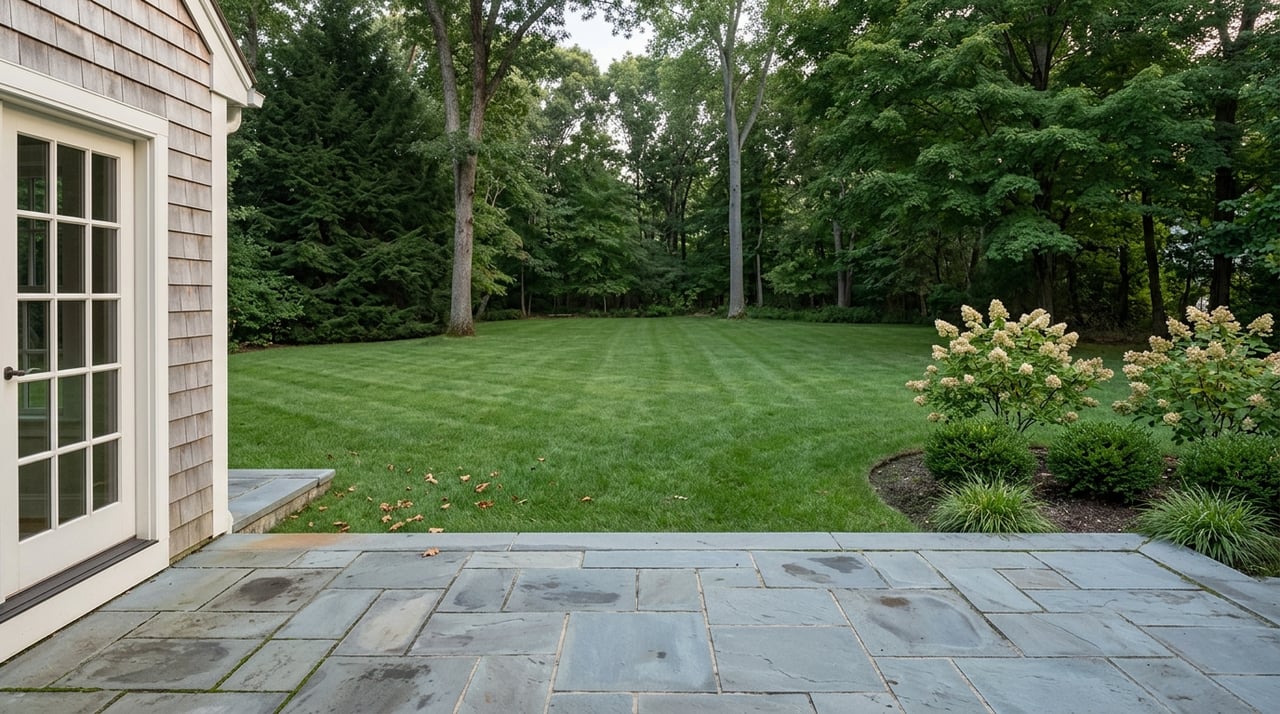
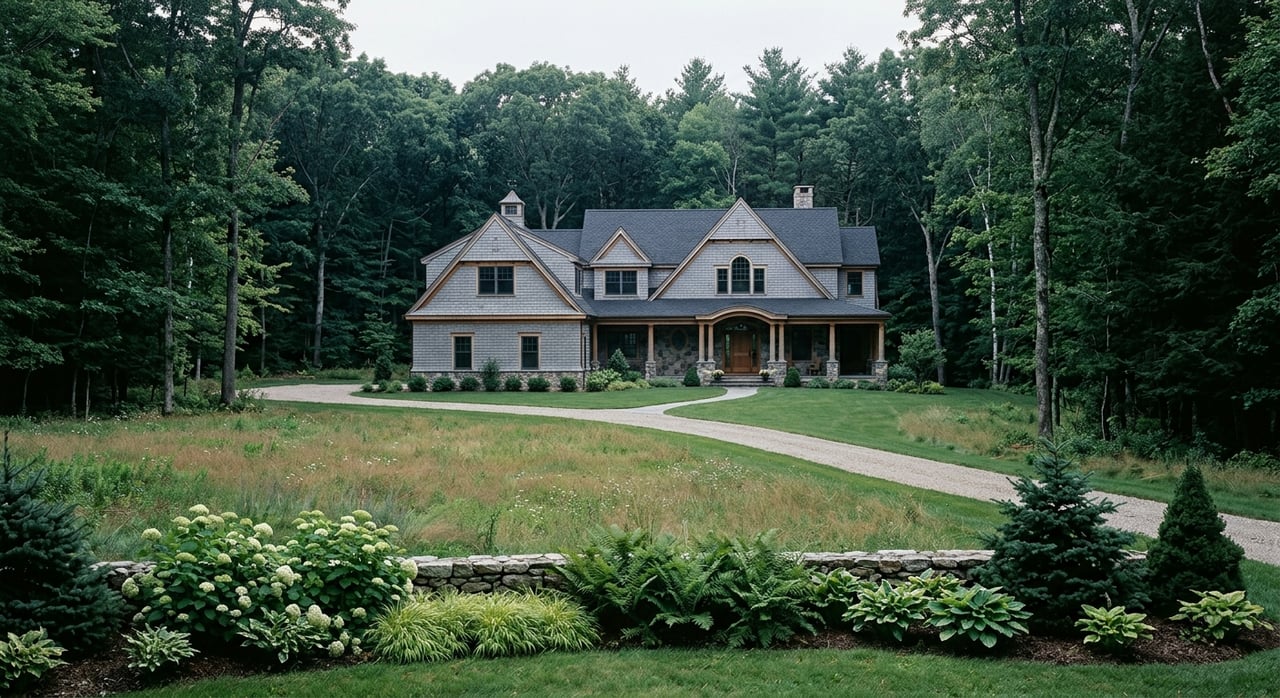
Lot size is central to the Weston experience. The town describes itself as having two-acre property zoning, and official financial materials note a historical minimum two-acre lot size in the residential and farming district. In practice, many buyers choose Weston because they want room to spread out, mature trees, larger yards, and more separation between homes.
The price point should also be part of your planning. Census QuickFacts lists the median owner-occupied home value at $996,700, while median gross rent is above $3,500. Whether you plan to buy or lease first, Weston tends to serve households looking for a more established, space-oriented residential setting.
Wells and Septic Systems Need Real Attention
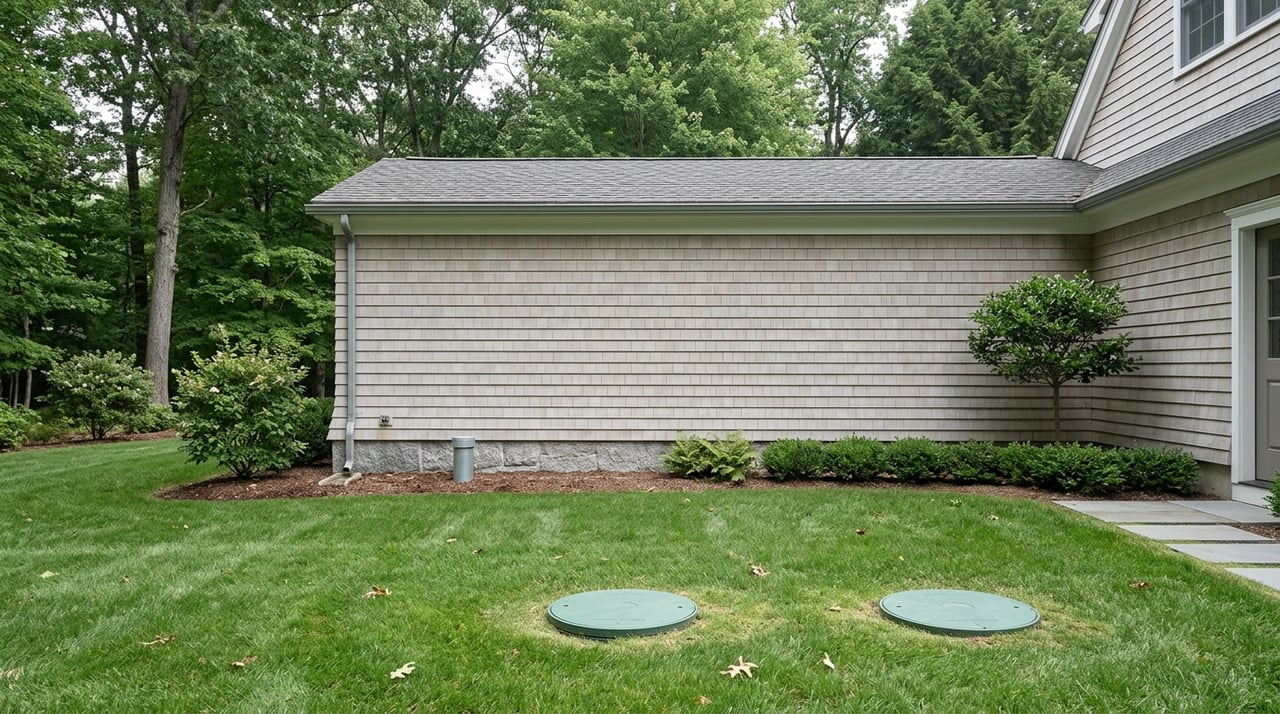
One of the biggest adjustments for city relocators is infrastructure. Weston’s official financial statement says that most residential properties rely on individual wells, and sewage is handled through individual septic systems, with only limited areas served by public water.
This is not a minor detail. It affects inspections, maintenance planning, renovation decisions, and your ongoing comfort with the property. If you are used to municipal water and sewer service, you will want to ask early about septic age, service history, well water quality, and any records available for the home.
These systems are a normal part of homeownership in Weston, but they do require attention. Knowing what you are buying helps you avoid surprises and gives you a more realistic picture of the home’s long-term upkeep.
Questions to Ask Early
When you are evaluating a Weston home, consider asking about:
- The age and maintenance history of the septic system
- Any available well water testing results
- Past repairs or service records
- Whether the home has access to public water or relies fully on a well
- How the current owner handles regular system maintenance
Daily Life Is More Car-Dependent
Weston Town Center is the town’s main commercial node. Official town materials note that it includes the local market, bank, post office, restaurant, and service stations, rather than a dense retail grid. For many former city residents, that shift is noticeable right away.
You may find that errands take a little more planning, but the tradeoff is a quieter environment with less commercial intensity. If you are comparing Weston with denser suburbs, this distinction is important because it shapes how your week flows, from grocery runs to school pickups to weekend activities.
Town services may also look different from what you are used to. Official materials note that solid waste removal is privately contracted, while the town operates its own transfer station. That is another example of how suburban life in Weston can be highly rewarding, but more hands-on.
Community Life Is More Visible Than You Might Expect
Many city buyers assume a lower-density town will feel socially quiet. In Weston, the opposite can be true if you want to get involved. Official town information emphasizes citizen involvement and volunteerism, and the town lists resident-facing organizations and groups such as Block Captains, Lachat Town Farm, WestonArts, the Weston History and Culture Center, Weston Kiwanis, Weston Women’s League, the library, and a community events calendar.
That creates a different kind of local connection. Instead of anonymous convenience, Weston often offers more intentional ways to meet people, participate, and build familiarity over time.
Lachat Town Farm is one example of this local culture in action. Town materials say its programs are tied to agriculture, the environment, sustainability, nutrition, and the arts. Along with library events and community programming, it gives new residents accessible ways to feel plugged in during the first year.
Open Space Is a Core Part of the Lifestyle
If outdoor access matters to you, Weston stands out. The town’s Parks and Nature page says Lucius Pond Ordway-Devil’s Den Preserve is The Nature Conservancy’s largest continuous preserve in Connecticut and the largest tract of protected land in densely developed Fairfield County.
Combined with the town’s substantial conservation and open-space land, this shapes the atmosphere in a real way. You are not just buying a house. You are choosing a landscape with more breathing room, more natural surroundings, and a stronger sense of separation from the pace of the city.
That can be especially appealing if you want your weekends to feel different from your weekdays. In Weston, outdoor space is not an occasional amenity. It is part of the town’s identity.
Regional Amenities Stay Within Reach
Choosing Weston does not mean giving up access to arts and culture. Nearby Westport offers venues and institutions highlighted on its official arts page, including Levitt Pavilion, MoCA CT, Westport Community Theatre, Westport Country Playhouse, and the Westport Museum for History and Culture.
In Fairfield, the State of Connecticut approved a Cultural District in 2025 anchored by the Fairfield Theatre Company, Fairfield Museum and History Center, Fairfield University’s Quick Center for the Arts, and other downtown arts venues. That means you can enjoy Weston’s quieter residential setting without feeling cut off from regional programming and events.
If You Have Children, Plan the School Transition Early
Weston Public Schools operates four schools on one campus off Route 57. The district states that residency is required for enrollment and that new residents can register throughout the year.
For relocating households, that is a practical detail worth addressing early. If your move is tied to school timing, gather residency documents in advance and understand what the registration process will require so the transition feels smoother.
Your First-Year Weston Checklist
The first year in Weston tends to go best when you plan for the town’s specific rhythms. A few early steps can make a big difference.
- Test your likely commute before closing
- Compare train station options, especially Westport and other nearby stations
- Review well and septic records early in due diligence
- Learn permit pathways before starting home projects
- Gather school residency paperwork if needed
- Sign up for Weston emergency and community alerts through Everbridge
- Plan for car-dependent errands and service routines
Weston also posts permit categories for building, planning and zoning, conservation, driveway and road-opening, and related matters. If you are buying with future updates in mind, that information is worth reviewing early rather than after you move in.
Is Weston the Right Fit?
Weston tends to fit buyers who want larger-lot living, open-space access, and a quieter town center, while accepting a longer commute, less retail density, and more car dependence than they may have in the city. For the right buyer, those tradeoffs feel less like compromises and more like the whole point.
If you are considering a move, local guidance can make the transition much easier. From commute planning to property due diligence, understanding Weston at a neighborhood level helps you make a decision with more confidence. To talk through your move or explore homes in town, connect with Camelot Real Estate.
FAQs
What is the biggest lifestyle change when moving to Weston from the city?
- The biggest change is usually the shift to a lower-density, car-dependent lifestyle with more space, larger lots, and fewer nearby commercial services.
How do most Weston residents commute to New York City?
- Many residents drive to a nearby Metro-North station, often Westport, and continue into the city by train.
What type of homes are most common in Weston, CT?
- Weston is primarily a single-family home market, and town documents state that 98.5% of housing units are single-family homes.
What should buyers know about utilities and infrastructure in Weston?
- Most residential properties rely on individual wells and septic systems, so buyers should review system age, maintenance history, and water testing information.
How much open space is there in Weston?
- Official town documents describe roughly 28% to 29% of Weston’s land as conservation or open space, depending on the definition used.
What should families know about Weston school enrollment?
- Weston Public Schools requires residency for enrollment, and the district states that new residents can register throughout the year.
Are errands and shopping easy in Weston?
- Weston Town Center provides key local services, but the town is more car-dependent than a city or denser suburb, so errands usually require more planning.