Wondering how Weston compares to nearby towns when you want more room, more privacy, and a lifestyle that fits your day-to-day needs? If you are choosing between Weston, Westport, Wilton, and Fairfield, the differences are real, and they show up in everything from lot sizes to commute patterns to how often you are near beaches, trails, or a busy downtown. This guide will help you sort through those tradeoffs so you can focus on the town that best matches how you want to live. Let’s dive in.
Why Weston Stands Apart
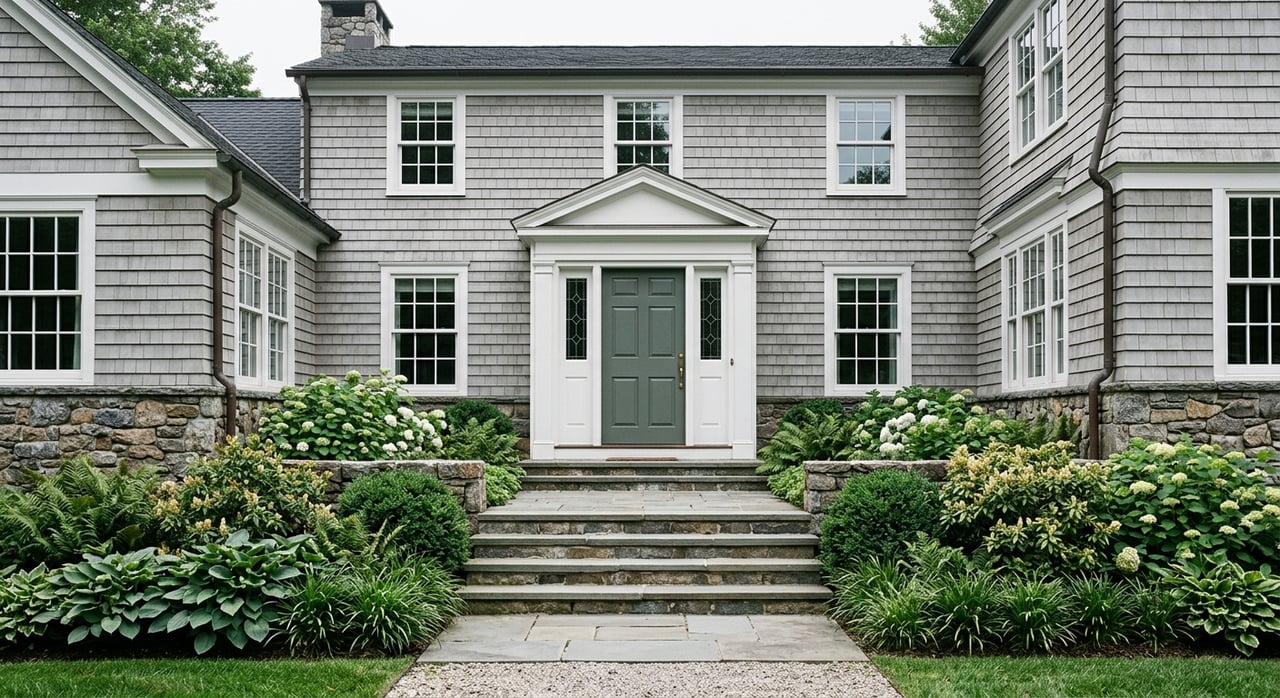
Weston has a distinct identity in lower Fairfield County. The town is shaped by two-acre zoning, minimal commercial development, and a small town center that works more as a civic and everyday convenience hub than a traditional downtown.
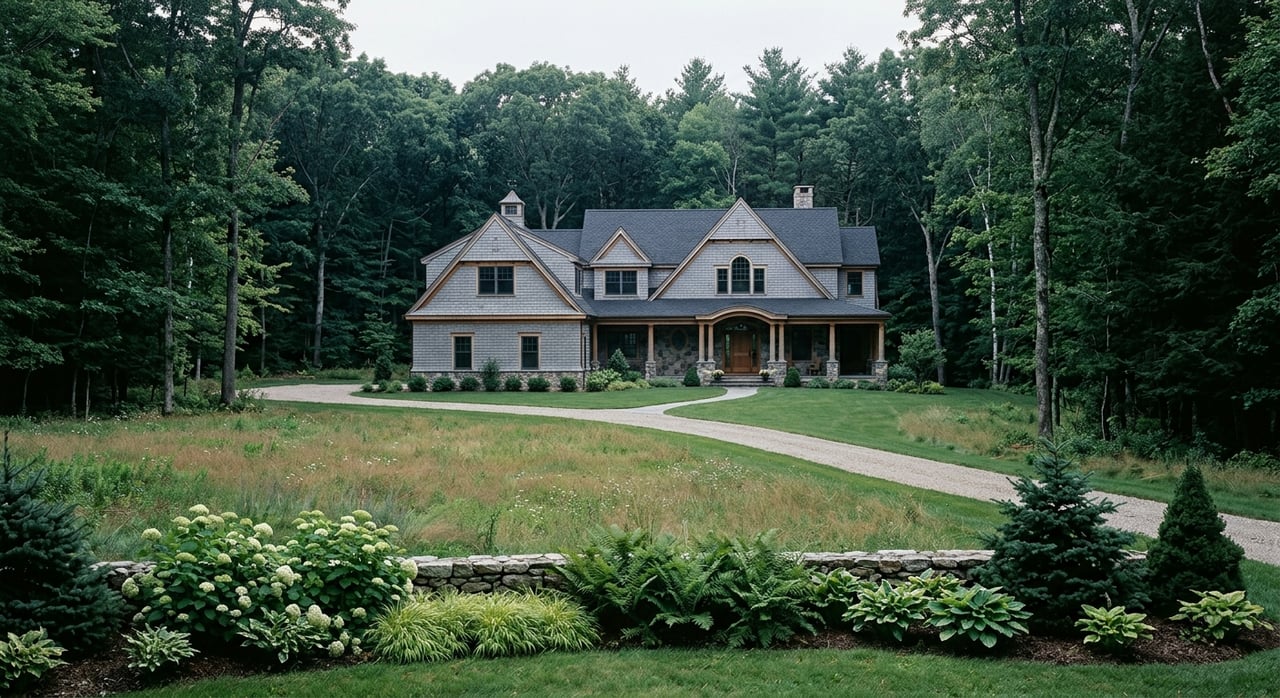
That combination creates a setting that feels more private, wooded, and spread out than many nearby towns. Weston is also about 45 miles from New York City, and the town highlights its natural open spaces as a core part of local life.
For many buyers, Weston becomes the benchmark when comparing nearby options. If your priority is space, a quieter residential rhythm, and a more estate-like setting, Weston often sets the standard.
Comparing Space And Housing Character
Weston: Large-Lot, Estate-Like Living
Weston’s residential character is closely tied to its two-acre zoning. The R-2A Two-Acre Residential and Farming District requires a minimum lot size of 2 acres, which helps shape the town’s large-lot feel.
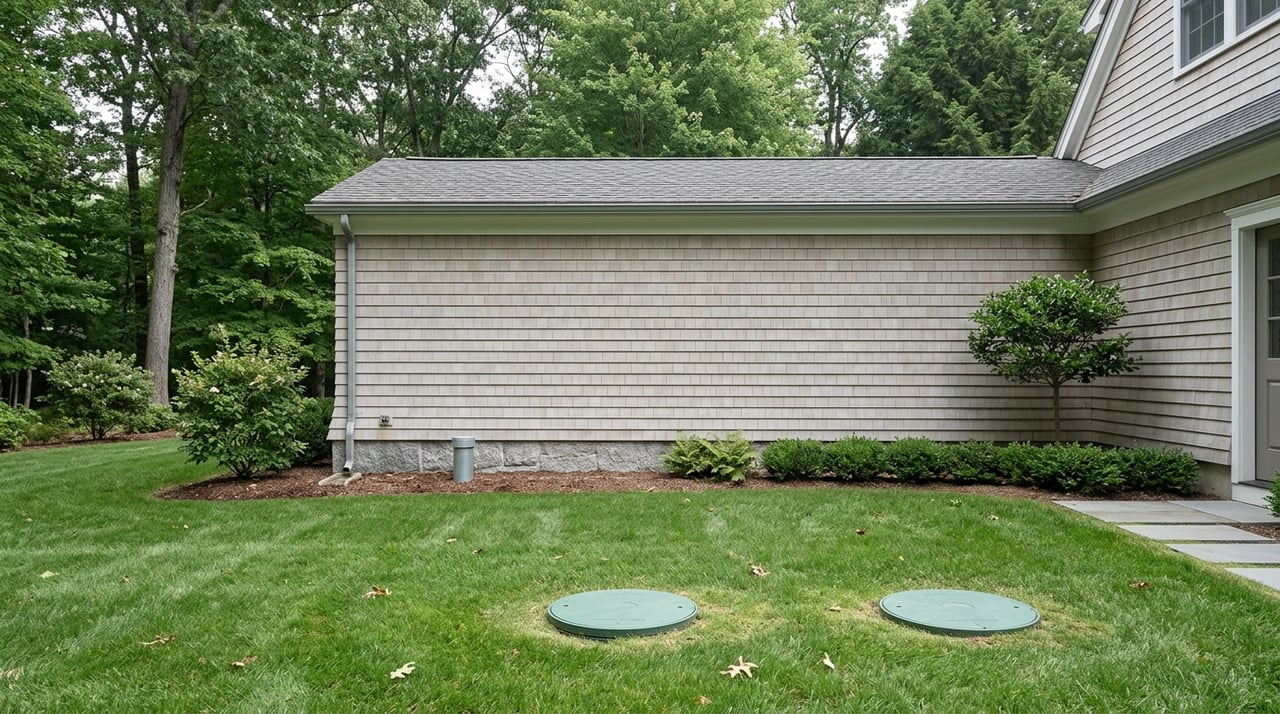
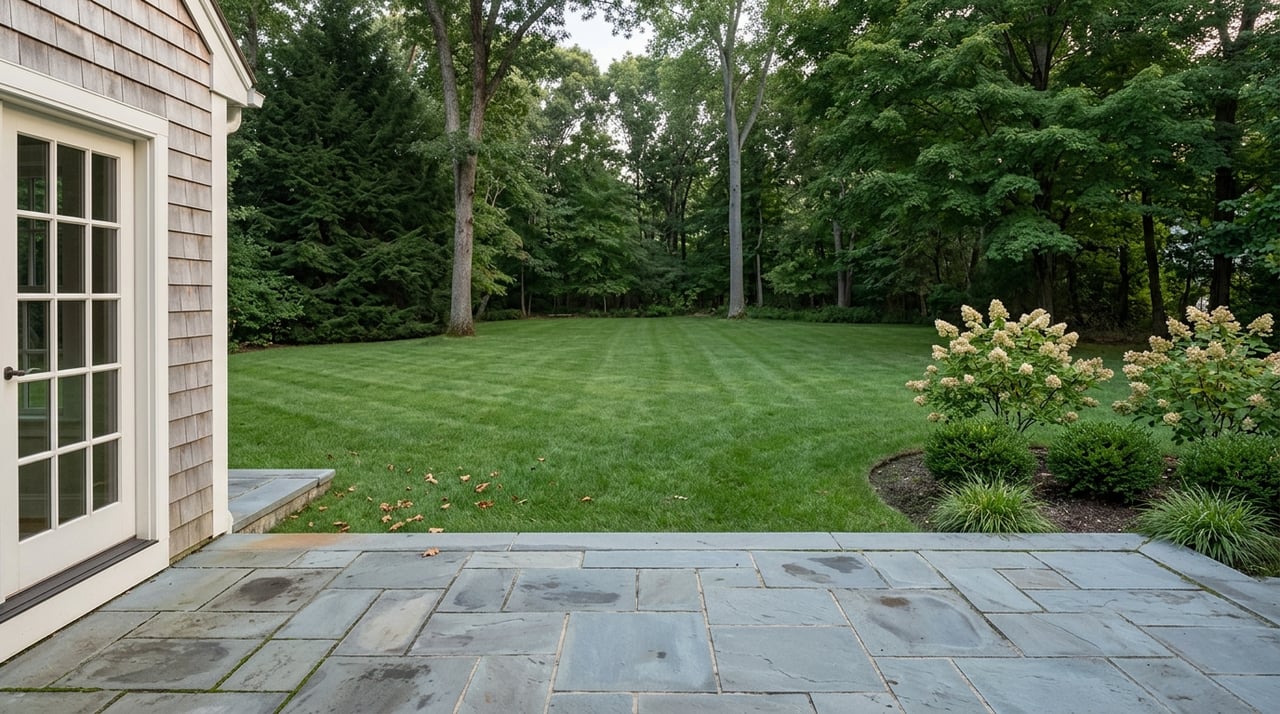
In practical terms, that usually means more separation between homes, deeper setbacks, and a more natural landscape pattern. Weston’s Plan of Conservation and Development also describes the town as rural and notes that about 29% of its land is open space.
Westport: More Variety In Lot Sizes
Westport offers a wider range of housing patterns. Its zoning includes 1-acre districts, 1/2-acre districts, 6,000-square-foot districts, and a 10-acre Open Space Residential District.
That range creates more variety from one area to another. You may find compact in-town sections, near-shore neighborhoods, and larger-lot pockets all within the same town.
If you want options across different lot sizes and a lifestyle that blends residential space with stronger village and shoreline access, Westport may feel more flexible than Weston. It is less uniformly estate-like, but more varied.
Wilton: Spacious, With Village Nodes
Wilton often feels like a middle ground between Weston and the shoreline towns. Its zoning includes both a 2-acre R-2A district and a 1-acre R-1A district.
That means Wilton still offers a spacious residential pattern, but the town reads a bit differently because Wilton Center and Cannondale act as clear village nodes. If you like room around you but want a stronger sense of a town-center structure, Wilton may appeal to you.
Fairfield: The Most Mixed Housing Pattern
Fairfield is the most internally varied of the group. Its zoning includes many residential districts, along with a Beach District, and some smaller lot standards for attached or multi-family forms in certain areas.
For you as a buyer, that usually means Fairfield can shift a lot from one part of town to the next. Some areas feel more spacious, while others feel closer in, more compact, or more connected to town-center and shoreline activity.
Beaches, Trails, And Open Space
Weston: Conservation And Natural Corridors
If your ideal free time includes trails, open land, and a quieter outdoor setting, Weston stands out. The town emphasizes natural open spaces, parks, and places like Lachat Town Farm, and about 29% of Weston’s land is open space.
That creates a lifestyle rooted more in conservation land than shoreline living. For many buyers, that means daily life feels connected to woods, preserved land, and a slower outdoor rhythm.
Westport: Strong Beach Access
Westport has the clearest beach-and-waterfront identity in this comparison. The town provides four town beaches: Compo, Burying Hill, Old Mill, and Canal Beach.
It also has nature-focused destinations such as Sherwood Island State Park, Earthplace, and Wakeman Town Farm. If beach access is high on your list, Westport offers a lifestyle that Weston does not try to replicate.
Wilton: Trail-Oriented And Inland
Wilton’s outdoor identity is more inland and trail-centered. The town says it has preserved almost 1,000 acres of open space, and its trail network includes town, state, and federal trails, along with Wilton Land Conservation Trust spaces and the Norwalk River Valley Trail.
That gives Wilton a strong nature profile without a shoreline focus. If you want open space and recreation but do not need beach living, Wilton can feel like a natural alternative to Weston.
Fairfield: Coastline Plus Open Space
Fairfield combines shoreline access with inland open space in a way that the other towns do not. The town’s 2024 sustainability plan says Fairfield has 59 parcels of open space totaling over 1,100 acres, or about 5% of town land, along with five miles of coastline, five public beaches, one inland lake, two pavilions, and two marinas.
That mix gives you more than one lifestyle option within the same town. You can lean into beach-oriented living or choose an inland setting while still staying in Fairfield.
Commute Style And Getting Around
Weston: Driving Is The Default
Weston is the most car-dependent of the four towns. The town’s planning materials state that there is no bus service in Weston and that most residents drive to work.
That commute pattern fits the town’s layout. If you value privacy and space more than transit flexibility, Weston’s driving-based rhythm may feel natural.
Westport: The Most Rail-Friendly Option
Westport stands out for train access. The town has two Metro-North stations and an on-demand Wheels2U shuttle connecting Westport homes and offices with the Saugatuck and Greens Farms stations.
Westport also offers access to I-95, U.S. 1, and the Merritt Parkway. If you want some residential space but also a more flexible rail routine, Westport is a strong option.
Wilton: Rail Access, But A Different Pattern
Wilton also has train service, though its pattern is different from Westport or Fairfield. Wilton and Cannondale are both on the Metro-North Danbury Branch, and many residents follow more of a drive-to-the-station routine.
For some buyers, that feels like a good compromise. You can keep more of an inland, lower-density lifestyle while still having rail access as part of your weekly schedule.
Fairfield: Multiple Station Choices
Fairfield offers especially strong station infrastructure. The town has three Metro-North stations, and local parking policies include commuter parking through the Fairfield Parking Authority.
If your routine depends on frequent train access or station choice, Fairfield brings a level of flexibility that Weston does not. That can be a major factor if you want a more transit-mixed daily life.
Town Center And Daily Rhythm
Weston: A Small, Practical Center
Weston Center is the town’s main commercial and civic gathering point. It includes everyday uses such as a local market, bank, dry cleaner, post office, restaurant, gas and service station, along with Town Hall, the library, and the school campus within walking distance.
That creates a very specific kind of rhythm. Weston’s center is convenient and grounded in local life, but it is not trying to be a larger shopping or dining destination.
Westport: More Active Downtown Energy
Westport has a more traditional downtown-and-village feel. The town points to Main Street Downtown and Saugatuck Center as its two business centers, along with arts, dining, parking near downtown, and a weekly farmers market.
If you want a more active core with a stronger walkable feel, Westport offers that in a way Weston does not. For some buyers, that added energy is a plus. For others, Weston’s quieter pace is the draw.
Wilton: A Growing Village Feel
Wilton is actively shaping a stronger village-center identity. Its planning efforts for Wilton Center focus on a pedestrian-friendly village with a Main Street centerpiece and Riverwalk, and both Wilton Center and parts of Cannondale are designated village districts.
That gives Wilton a quieter feel than Westport, but a more town-center-oriented structure than Weston. It often appeals to buyers who want a modest village atmosphere without a busier downtown scene.
Fairfield: Multiple Centers, Multiple Rhythms
Fairfield works differently from the other three towns because it has several activity nodes. Daily life is spread across downtown Fairfield, Southport, and the Fairfield Metro area.
That layered setup gives Fairfield a more mixed-use feel. If you want choices in how your town functions day to day, Fairfield offers more variety than Weston’s single-center layout.
Which Town Fits Your Lifestyle Best?
If your top priority is space, privacy, and a less commercial environment, Weston is often the clearest fit. Its two-acre zoning, open space, and small civic-focused center create a lifestyle that feels calm, residential, and estate-oriented.
If you want shoreline access and a more active downtown, Westport stands apart. It gives you beach access, stronger rail connectivity, and a more energetic core, while still offering some larger-lot areas.
If you want inland open space with village structure, Wilton may be the best middle ground. It balances spacious living with a stronger sense of village identity and rail access through the Danbury Branch.
If you want the broadest range of living patterns in one town, Fairfield offers the most variety. It blends beaches, open space, multiple stations, and several distinct activity centers.
The right answer depends on how you define lifestyle. Some buyers want acreage and quiet. Others want the beach, a train station, or a more active downtown. Comparing these towns carefully can make your next move feel much more confident.
When you are weighing a move in Weston or nearby Fairfield County towns, local context matters. The team at Camelot Real Estate brings hometown insight, thoughtful guidance, and boutique service to help you compare options and move forward with clarity.
FAQs
How does Weston compare to Westport for space and privacy?
- Weston generally offers a more consistently large-lot, estate-like setting because of its two-acre zoning and limited commercial development, while Westport has a wider range of lot sizes and a more mixed residential pattern.
Is Weston or Fairfield better for beach access?
- Fairfield is better for beach access because it has five miles of coastline, five public beaches, and two marinas, while Weston’s outdoor identity is centered more on open space, parks, and conservation land.
What is the commute difference between Weston and Wilton?
- Weston is more car-dependent, with no bus service noted in town planning materials, while Wilton includes rail access through Wilton and Cannondale stations on the Metro-North Danbury Branch.
Which town has the most traditional downtown feel near Weston?
- Westport has the most traditional downtown feel in this group, with Main Street Downtown, Saugatuck Center, arts, dining, and a more active walkable core.
Is Fairfield more varied than Weston for housing choices?
- Yes. Fairfield has a broader mix of residential districts and living patterns, including shoreline, center-town, station-area, and more compact housing options, while Weston is more consistently large-lot and residential in character.