Buying in Weston often means buying more than a house. You are also buying land, a septic system, a private well, and a set of site conditions that can shape what you can do with the property over time. If you are comparing homes here, understanding those pieces early can help you avoid surprises and make a more confident decision. Let’s dive in.
Why Weston Land Works Differently
Weston is known for its two-acre zoning pattern, limited commercial development, and large areas of open space. Most of town is in the R-2A Two-Acre Residential and Farming District, and town planning materials describe Weston as primarily a single-family residential community with many conservation-protected lands.
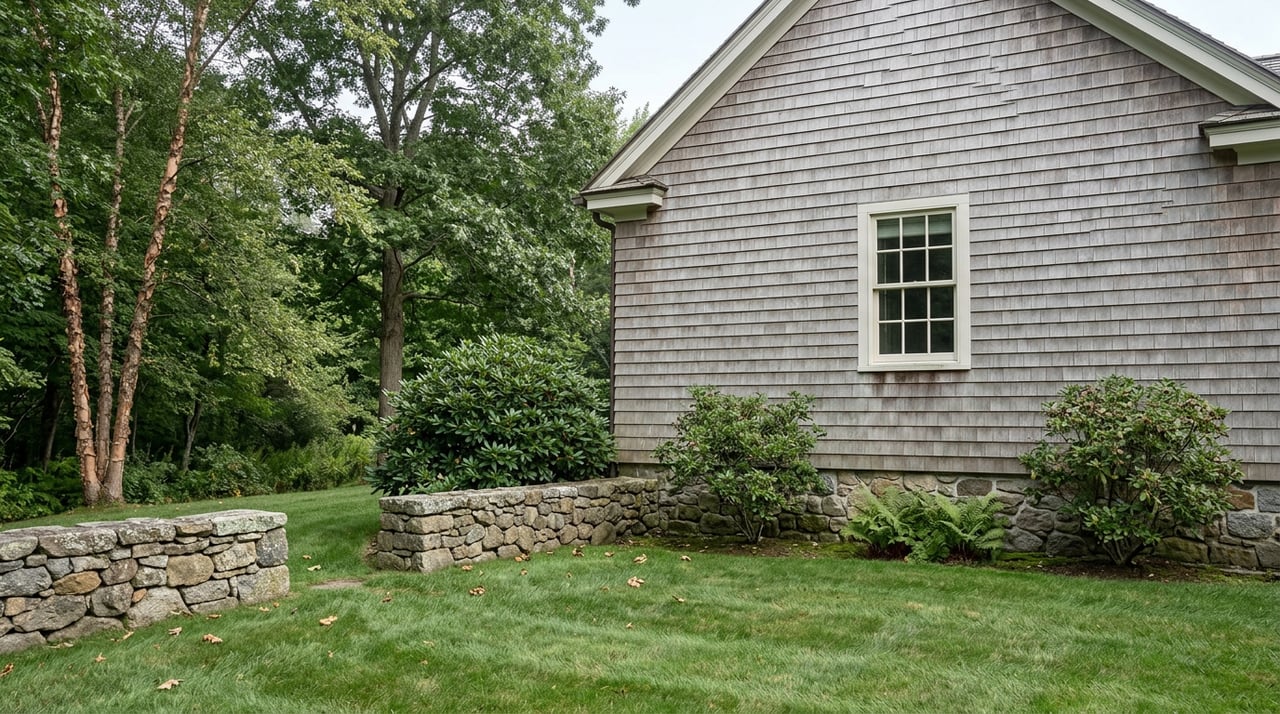
That setting is part of what draws buyers here. At the same time, a large lot does not always mean a large usable lot. Wetlands, ledge, slopes, groundwater conditions, setbacks, easements, and recorded restrictions can all reduce where you can build, expand, or clear.
In practical terms, the shape and condition of the land matter just as much as the acreage. A parcel may look spacious on paper but still have limits that affect an addition, pool, driveway changes, or future outdoor projects.
Why Septic Matters in Weston
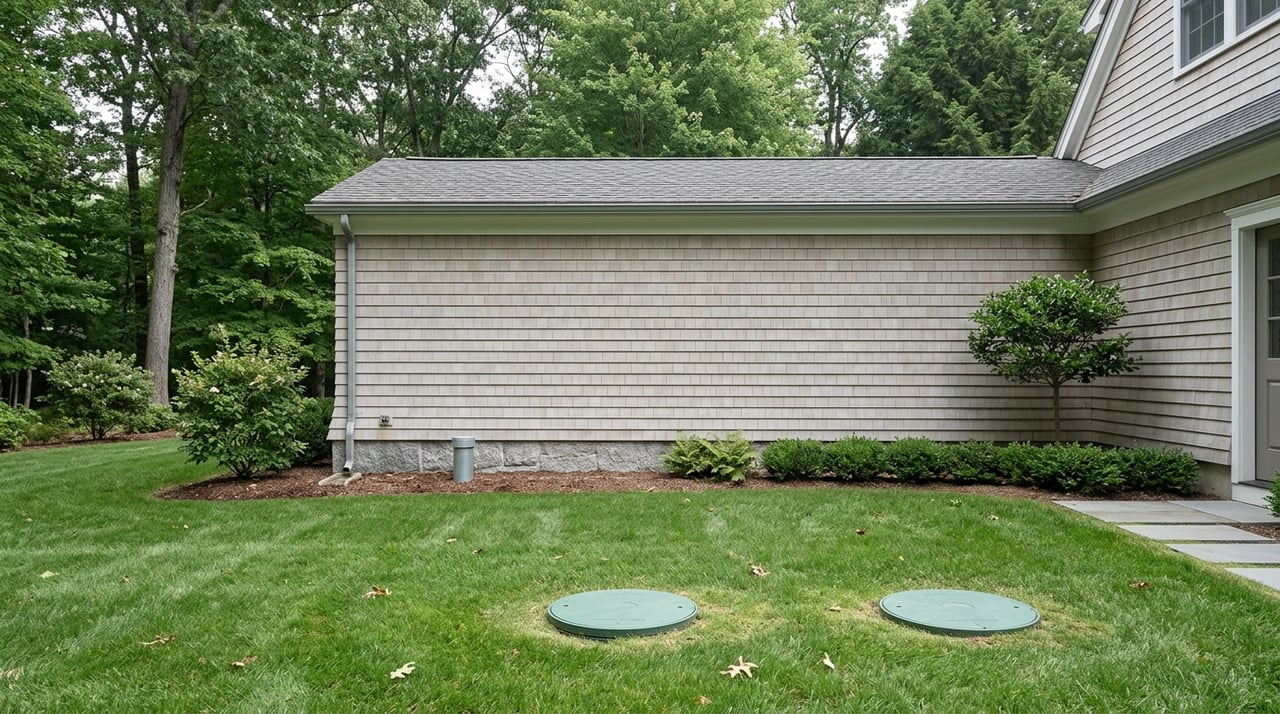
Many Weston properties rely on septic systems rather than public sewer. Connecticut guidance explains that a septic system includes the sewer line, septic tank, distribution system, and leaching system, and that performance depends on both soil conditions and household wastewater flow.
For you as a buyer, that means septic is not a box to check at the end of the process. It is a core part of how the property functions day to day, and it can affect both maintenance costs and future plans for the site.
Weston buyers should also know that the Aspetuck Health District is the relevant local authority for septic systems and private wells. The town’s permit guide states that most residential construction applications need Aspetuck Health District approval before other departments review the project, and some applications may also require conservation sign-off.
Septic Questions to Ask Early
During a showing or before inspections, ask for the septic as-built drawing and basic service history. Connecticut DPH specifically advises buyers to ask what the system consists of, whether it is working properly, how long it is likely to last, and what replacement might cost if it fails.
It is also smart to ask about any history of backups, odors, repairs, or prior failures. Those details can provide useful context about how the system has performed and whether there may be deferred maintenance.
If you are thinking ahead to a pool, deck, addition, or expanded driveway, ask whether the lot has enough room for future septic repair or expansion. DPH notes that wetlands, steep slopes, ledge, groundwater, and water use can limit the area suitable for septic disposal.
What to Look for on Site
The site itself can tell you a lot. DPH advises buyers to look for signs such as wet areas, odors, depressions, or other physical constraints that may affect the system.
You should also pay attention to how the yard is used. The leaching area should be kept free of buildings, sheds, decks, pools, trees, vehicles, and runoff that could overload the system.
Septic Maintenance After Closing
If you buy a Weston home with septic, ongoing care matters. Connecticut DPH recommends pumping the tank every 3 to 5 years in general and keeping a permanent record of the system location and cleaning history.
Those records are more than housekeeping. They help you track maintenance, plan responsibly, and pass along useful information when it is time to sell.
What to Know About Private Wells
Private wells are another common part of homeownership in Weston. Connecticut DPH states that private well owners are responsible for the quality and maintenance of their own drinking water, while local health departments and districts oversee well siting and approval before construction.
That is an important shift for buyers coming from areas served by public water. A well is not a passive utility connection. Water quality can change over time, and treatment equipment only addresses the contaminants it was designed to treat.
Well Questions to Ask the Seller
Start with the basics. Ask where the well is located, whether there is a well permit or history on file, and when the water was last tested.
You should also ask for recent test results, the age and service history of any treatment equipment, and whether the well has ever run low, flooded, or had a pump or pressure issue. These questions can help you understand both water quality and system reliability.
If the seller has records of annual testing or follow-up testing after repairs or flooding, ask to review them. DPH recommends testing private-well water when buying a home and notes that annual testing is the baseline for the recommended basic indicators test.
Why Testing Matters
A clean report from years ago is not the same as current information. DPH recommends retesting after work on the well, pump, or water pipes, and after flooding of the well head.
You should also take changes in taste, color, odor, or clarity seriously. DPH advises owners to contact the local health department or DPH if water quality changes in those ways.
For buyers, the takeaway is simple: current well testing helps you make a more informed decision, and ongoing records help you manage the property with confidence after closing.
Conservation and Land-Use Limits
One of the biggest mistakes Weston buyers can make is assuming a large, wooded, or open-looking lot is freely alterable. In Weston, land-use limits may come from wetlands jurisdiction, recorded conservation restrictions, easements, or a mix of several factors.
Under Connecticut law, a conservation restriction is a recorded limit meant to keep land or water areas in natural, scenic, open, agricultural, farming, forest, or open-space use. If a property is subject to a conservation or preservation restriction, most permit applications require written notice to the restriction holder at least 60 days before filing, and the holder can block a permit if it would violate the restriction.
Locally, Weston’s Conservation Commission implements the state inland wetlands and watercourses law and regulates construction and development near those resources. The town’s Conservation Planner also assists landowners in identifying wetlands and watercourses and reviews plans and applications.
Site Changes That May Be Affected
These limits can influence much more than new construction. They may affect clearing, grading, additions, pools, outbuildings, driveways, and other changes to the site.
That is why a buyer should ask not only whether the current house is permitted, but also whether future plans are realistic. If you are hoping to change the property later, it is important to understand those constraints before waiving contingencies.
Documents Worth Reviewing
For a Weston purchase, it is wise to ask for the site plan and survey showing setbacks, grading, septic location, wetlands or watercourses, and any limit of disturbance. You should also ask whether any part of the lot is subject to a conservation restriction, wetlands jurisdiction, or another recorded easement or limitation.
If future improvements are part of your long-term plan, ask whether those changes would require notice to a restriction holder, a wetlands permit, or conservation review. In Weston, these questions can be just as important as the house itself.
A Smart Due Diligence Approach
In Weston, land, septic, wells, and restrictions are closely connected. A septic reserve area can affect where an addition goes. Wetlands can affect where a repair area belongs. A future pool or driveway project can trigger health district or conservation review.
That is why targeted due diligence matters. Buyers who review town and district records, order focused septic and well inspections, and confirm land-use constraints before waiving contingencies are less likely to face an expensive surprise after closing.
Aspetuck Health District provides septic, well, and permit documentation and accepts file-search requests for property records. Reviewing those records early can give you a clearer picture of what you are buying and what may be possible later.
A Weston Buyer Checklist
If you are evaluating a home in Weston, keep this short checklist handy:
- Request the septic as-built drawing
- Ask for the date of the last septic pump-out
- Ask about septic backups, odors, repairs, or failures
- Review whether there is room for future septic repair or expansion
- Ask where the well is located and when the water was last tested
- Request recent well test results and treatment equipment history
- Ask whether the well has flooded, run low, or had pump or pressure issues
- Review the site plan and survey for setbacks, wetlands, watercourses, and septic location
- Ask about conservation restrictions, easements, and other recorded limitations
- Confirm whether future site work may require Aspetuck or conservation review
Weston offers a rare combination of privacy, open space, and estate-scale living, but buying here rewards careful, local, property-specific research. If you want guidance that is grounded in how Weston properties actually work on the ground, Camelot Real Estate is here to help you navigate the details with clarity and confidence.
FAQs
What should Weston home buyers know about large lots?
- In Weston, a larger lot does not automatically mean more usable land because wetlands, ledge, slopes, setbacks, septic areas, easements, and recorded restrictions can limit what you can do.
What should buyers ask about a Weston septic system?
- Ask for the septic as-built drawing, last pump-out date, maintenance history, and any record of backups, odors, repairs, or failures, and confirm whether there is room for future repairs or planned site changes.
What should buyers test for a Weston private well?
- Connecticut DPH recommends testing private-well water when buying a home and using annual testing as the baseline for the recommended basic indicators test.
What local office handles septic and well records in Weston?
- The Aspetuck Health District serves Weston and handles septic systems, private wells, and related property records and permit documentation.
What land-use issues can affect future property changes in Weston?
- Wetlands jurisdiction, conservation restrictions, easements, setbacks, and site conditions may affect additions, pools, outbuildings, driveways, clearing, and grading.
Why should buyers review surveys and site plans for Weston homes?
- A survey or site plan can show septic location, setbacks, grading, wetlands, watercourses, and limits of disturbance, which helps you understand both current conditions and future options.