If you have ever wondered why Weston feels so different from other Fairfield County towns, the answer starts with the land itself. Weston’s open space policies do more than preserve scenic views. They shape how much housing can be built, what kinds of homes you will find, and why privacy and acreage carry such strong value here. If you are buying, selling, or simply trying to understand the local market, it helps to see how conservation and housing are closely connected in Weston. Let’s dive in.
Why open space matters in Weston
Weston’s identity has long been tied to low-density living, limited commercial development, and a strong commitment to natural land. According to town planning materials, about 3,847 acres, or roughly 29% of Weston’s land, are devoted to parks, open space, and conservation lands. That is a meaningful share of the town, and it influences how the community looks and functions.
These preserved areas are not just scenic backdrops. The town’s planning documents connect open space to recreation, water-resource protection, aquifer sustainability, and Weston’s rural character. Because Weston relies heavily on wells and septic systems, land conservation also plays an important role in protecting groundwater and managing growth carefully.
How zoning keeps Weston low-density
Weston’s zoning framework helps explain the town’s spread-out feel. The zoning code includes the R-2A Two-Acre Residential and Farming District, where a single-family dwelling is allowed at no more than one per lot. That structure reflects both the town’s topography and its broader conservation goals.
In practical terms, two-acre zoning limits how densely homes can be placed across much of town. Weston also applies dimensional standards that often include two-acre minimum lots, 170-by-200-foot lot rectangles, and 100-foot setbacks for many special-permit uses. Together, those rules support the wooded, private setting many buyers associate with Weston.
Conservation review adds another layer
Weston’s Conservation Commission serves as the local wetlands and watercourses body. Its stated purpose includes minimizing disturbance and pollution, protecting water quality, and balancing growth with environmental protection. That means land use decisions are not only about where a house fits on paper, but also about how development affects sensitive natural features.
For buyers and sellers, this matters because developable land is not simply a question of acreage. Wetlands, watercourses, and conservation priorities can shape what can be built, expanded, or subdivided. In a town like Weston, the usable value of land often depends on these local factors.
What open space means for housing supply
When a town preserves a large share of land and maintains low-density zoning, housing supply tends to stay tighter. Weston’s planning materials reinforce that open space should be maintained for recreation, water protection, wildlife corridors, and rural perception. That land-use approach naturally favors preservation over denser infill.
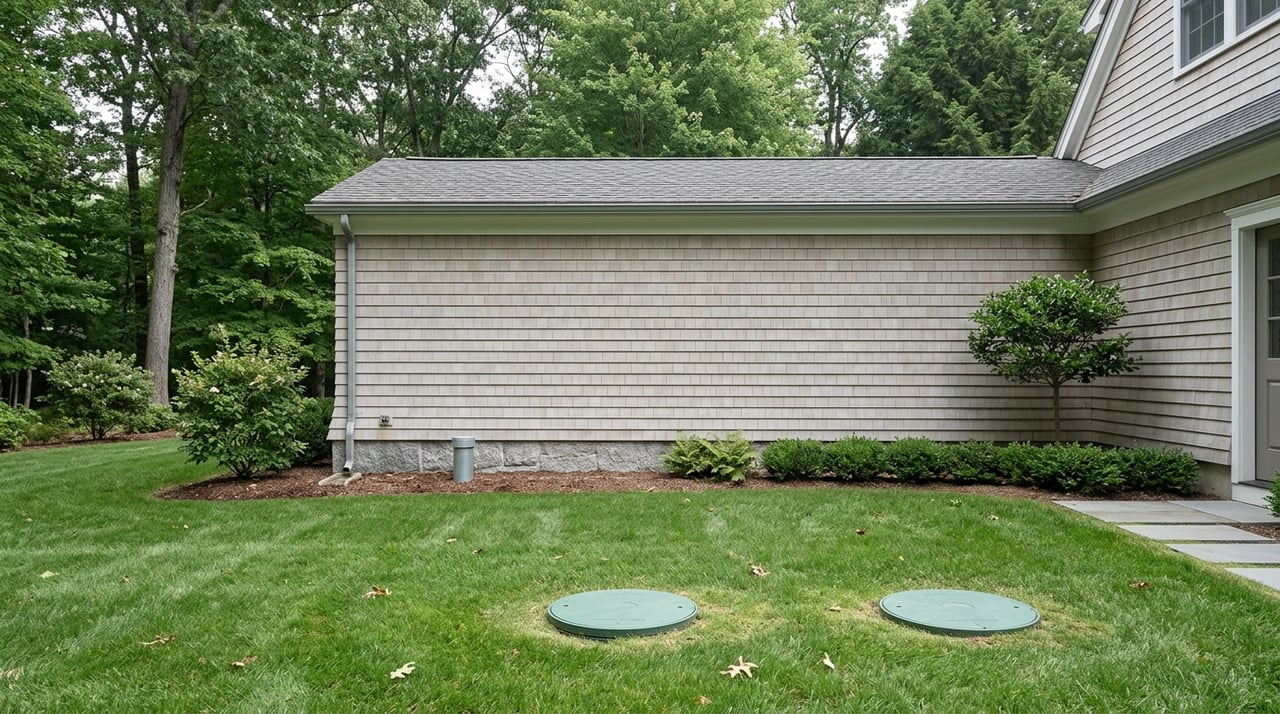
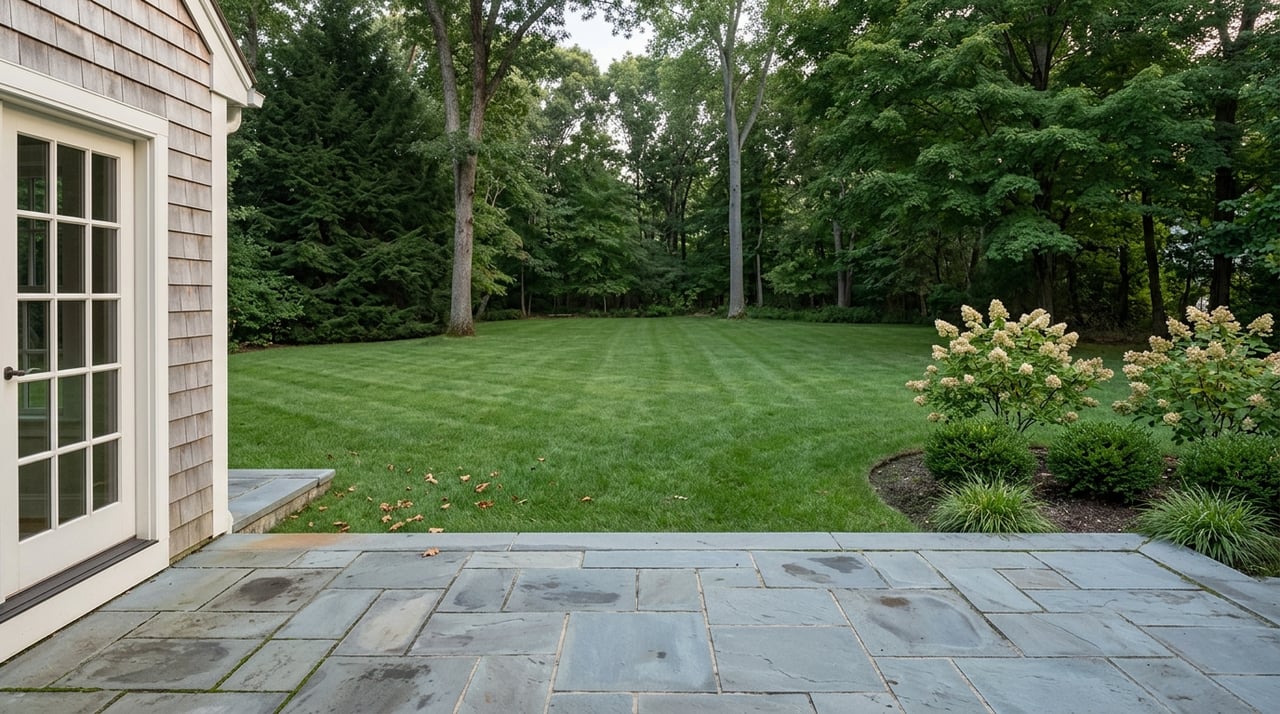
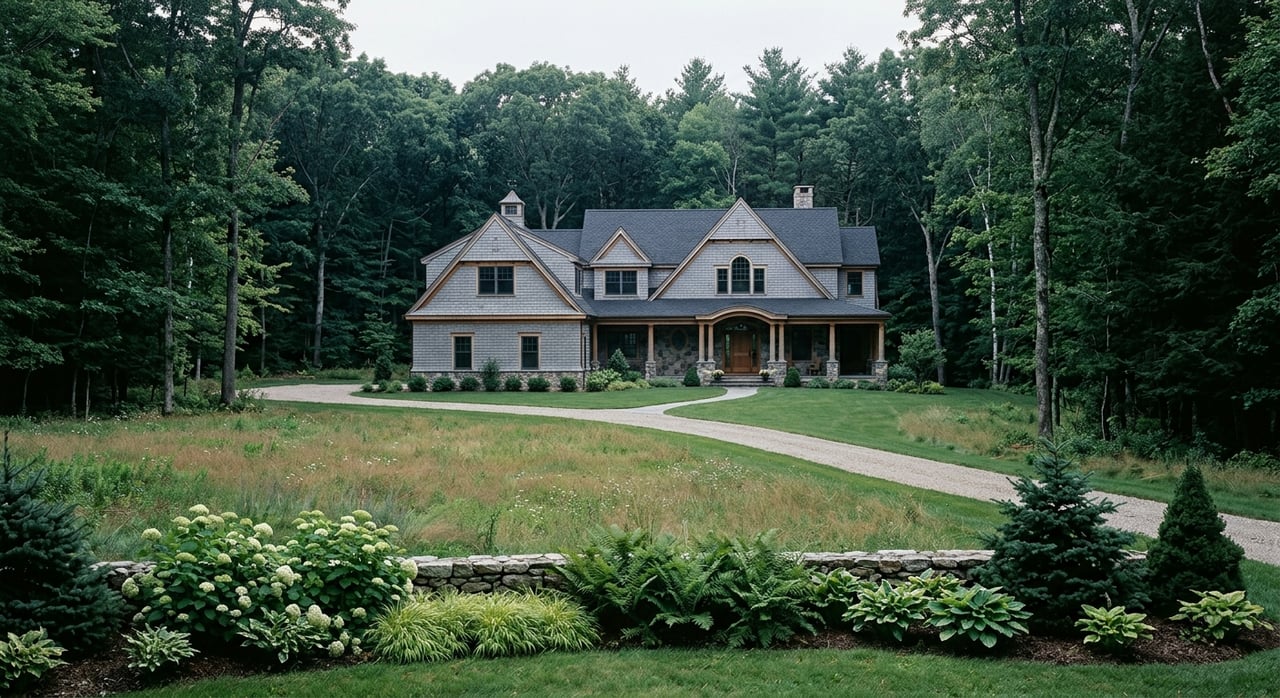
As a result, Weston’s housing stock leans toward detached single-family homes on larger parcels. You are less likely to see the kind of high-density development common in more built-up communities. Instead, the town’s framework tends to support larger yards, more tree cover, and greater separation between homes.
Fewer subdivision opportunities
One of the biggest market effects is that subdivision opportunities are more limited. Large-lot zoning and conservation oversight reduce the number of places where new housing can be added at scale. Over time, that can keep inventory constrained, especially in a market where buyer demand remains steady.
This helps explain why Weston often feels supply-limited compared with nearby towns. The town’s land policies are designed to preserve character and environmental resources, not maximize unit count. For many homeowners, that consistency is part of Weston’s appeal.
How buyers experience the difference
For buyers, Weston often represents a clear tradeoff. You are typically choosing more land, more privacy, and a more wooded setting in exchange for higher density and a larger commercial footprint. That tradeoff is not accidental. It is a direct outcome of how the town has planned and protected its land over time.
Many of Weston’s best-known open space assets help reinforce that experience. The town highlights places such as Lachat Town Farm, Devil’s Den, Trout Brook, Keene Park, and land connected to Aspetuck Land Trust. These preserved spaces contribute to the sense that nature is part of daily life here, not just something on the edge of town.
Recognizable preserves shape perception
Lucius Pond Ordway-Devil’s Den Preserve is described by the town as The Nature Conservancy’s largest continuous preserve in Connecticut and the largest tract of protected land in densely developed Fairfield County. Devil’s Den includes 1,746 acres, with most of it in Weston, while Trout Brook spans 730 acres. Those are not small neighborhood parks. They are significant preserved landscapes that influence how buyers perceive the town.
That kind of open space presence can make Weston especially attractive if you value trails, woods, and a quieter residential setting. It also helps explain why homes here are often evaluated not just by square footage, but by their relationship to land, privacy, and surrounding natural features.
Why open space supports pricing
A constrained housing supply does not automatically guarantee higher prices, but in Weston it is one important part of the story. Recent market snapshots point to a premium, supply-constrained market. Realtor.com’s May 2026 summary reported 48 homes for sale, a median listing price of $1,499,000, and a median days on market of 22 days, while Zillow reported an average home value of $1,374,708, up 6.2% year over year.
These figures use different methods, so they are best read as directional signals rather than exact equivalents. Even so, both sets of numbers point to the same broad pattern: limited supply, high values, and continued buyer interest. That pattern is consistent with Weston’s land-use rules, conservation oversight, and large open-space footprint.
Scarcity becomes part of value
In Weston, scarcity is often built into the market. There is only so much land available for housing, and a significant portion of town land is intentionally protected. That can make well-located homes, especially those with privacy, attractive lot layouts, or adjacency to conserved land, especially compelling in the eyes of buyers.
For sellers, this is an important part of the value story. A property’s setting, tree cover, sense of separation, and relationship to surrounding open space may carry real weight because those qualities are not easy to recreate in a constrained market.
What sellers should understand
If you are preparing to sell in Weston, it helps to frame your property within the town’s broader land story. Buyers are often not just shopping for a house. They are shopping for a specific lifestyle shaped by acreage, natural surroundings, and long-term consistency in the built environment.
That means your home’s lot, privacy, and landscape context may deserve as much attention as interior features. A home near preserved land, on a generously sized parcel, or in a setting that reflects Weston’s conservation-oriented character may stand out more strongly when presented with that context in mind.
Marketing the setting matters
In a town like Weston, marketing should reflect how buyers actually make decisions. Exterior photography, property descriptions, and showing strategy should help buyers understand the setting as well as the structure. The land is often part of the product.
This is especially true for larger homes and estate properties, where the relationship between the residence and the surrounding parcel can shape both emotional appeal and market positioning. In Weston, the outdoor experience is often central to the home’s identity.
What the future likely looks like
Weston’s planning outlook suggests that change will remain measured. The Planning and Zoning Department says the current Plan of Conservation and Development update is intended to guide growth, development, and conservation over the next decade. Workshop materials also show residents discussing whether future open-space acquisitions should prioritize land next to existing open space, school or recreation land, wetlands or critical wildlife habitat, or farmland.
That signals a continued emphasis on conservation-minded decisions rather than large-scale density. While no market stays completely static, Weston’s planning direction suggests future growth is likely to remain incremental. For buyers and sellers alike, that supports the idea of long-term continuity in the town’s land-use pattern.
The bigger takeaway for Weston homeowners
Weston’s open space policies are not a side note in the housing market. They are one of the main reasons the market looks and feels the way it does. Large-lot zoning, conservation oversight, and a substantial preserved land base help shape inventory, lot sizes, privacy, development potential, and buyer demand.
If you are buying, this helps explain why Weston offers a distinct lifestyle and why available homes can be so competitive. If you are selling, it helps clarify why your land, setting, and connection to the town’s natural character may be central to your property’s value. In Weston, open space is not just protected land. It is part of the market itself.
If you are thinking about buying or selling in Weston, working with a brokerage that understands the town’s land-use patterns, neighborhood context, and property positioning can make a real difference. Connect with Camelot Real Estate for local guidance, tailored strategy, and high-touch support grounded in Weston expertise.
FAQs
How do Weston’s open space policies affect home inventory?
- Weston’s large open-space footprint, two-acre zoning, and conservation review limit how much land can be developed, which helps keep housing inventory relatively constrained.
Why are lot sizes in Weston often larger than nearby towns?
- Weston’s R-2A Two-Acre Residential and Farming District allows one single-family home per lot and supports a low-density pattern with larger parcels and more separation between homes.
What makes open space important to Weston homeowners?
- Town planning materials link open space to recreation, water-resource protection, aquifer sustainability, wildlife corridors, and the rural character that many homeowners value.
How can Weston sellers use open space in their marketing?
- Sellers can highlight privacy, acreage, tree cover, and proximity to preserved land because those features align closely with what many Weston buyers seek.
Is future development in Weston likely to change the town’s character?
- Current planning materials suggest future growth will likely remain incremental and conservation-oriented, with continued attention to open space, wetlands, habitat, and land adjacency priorities.