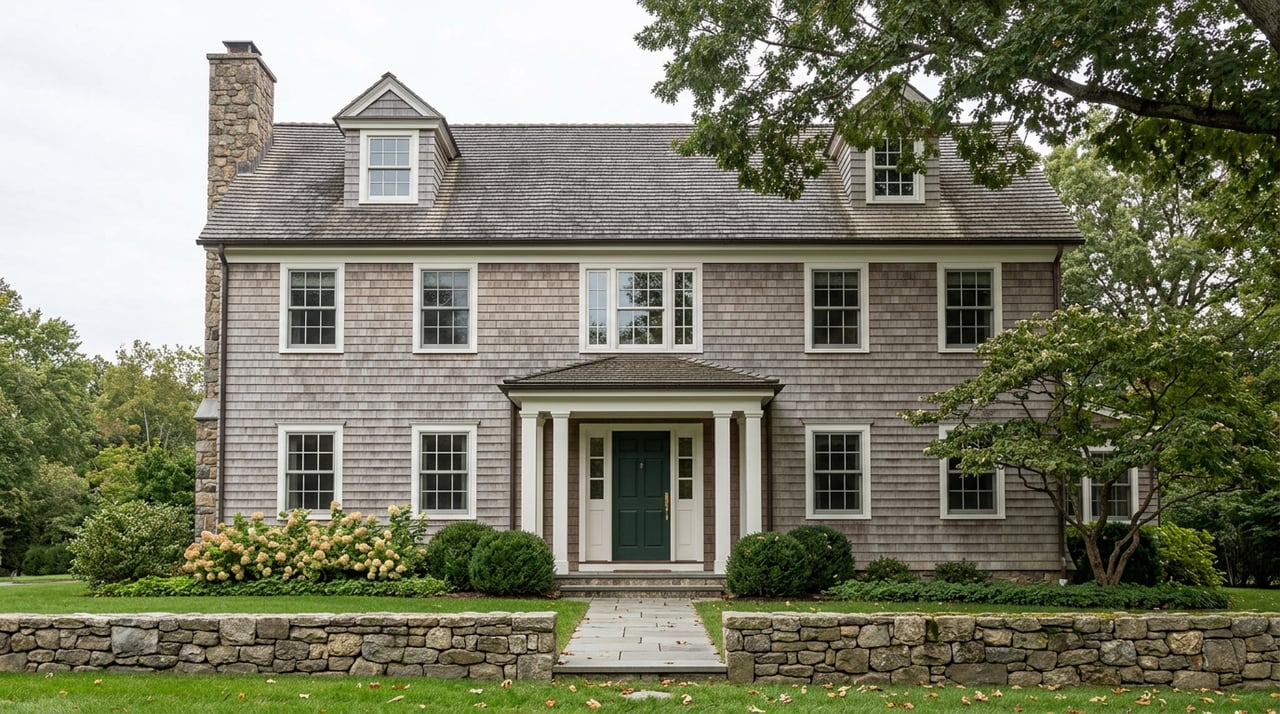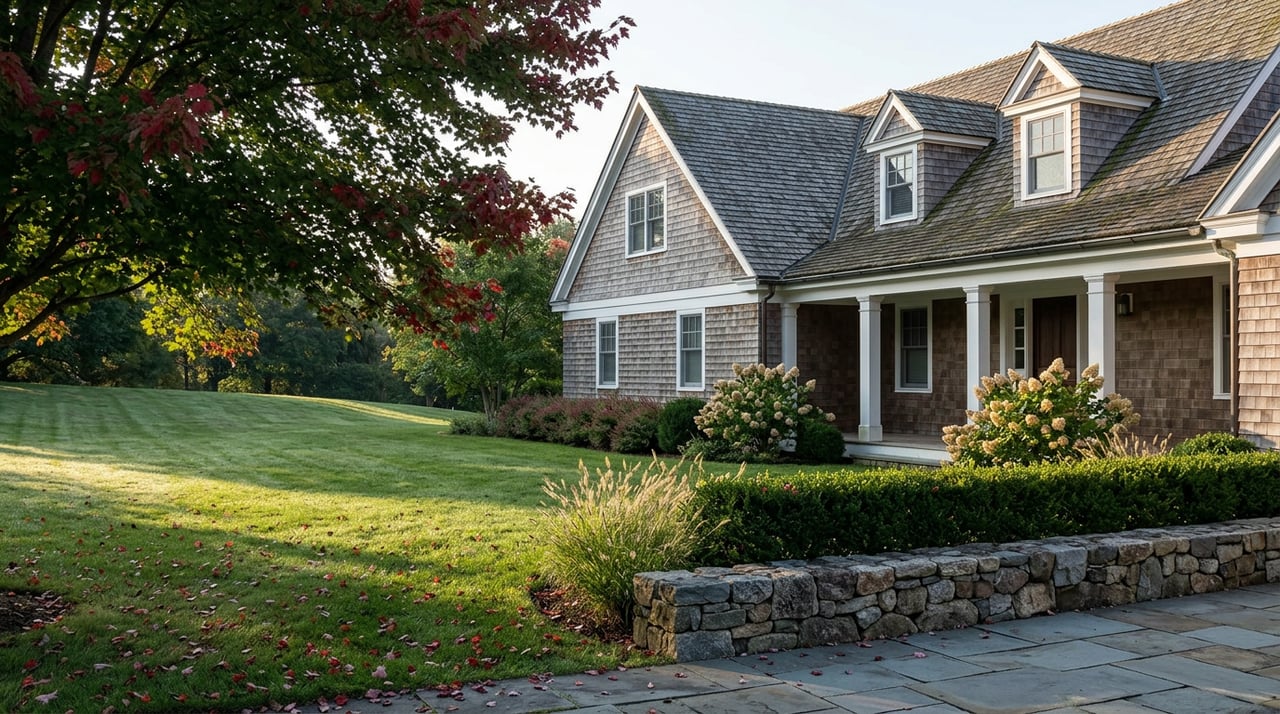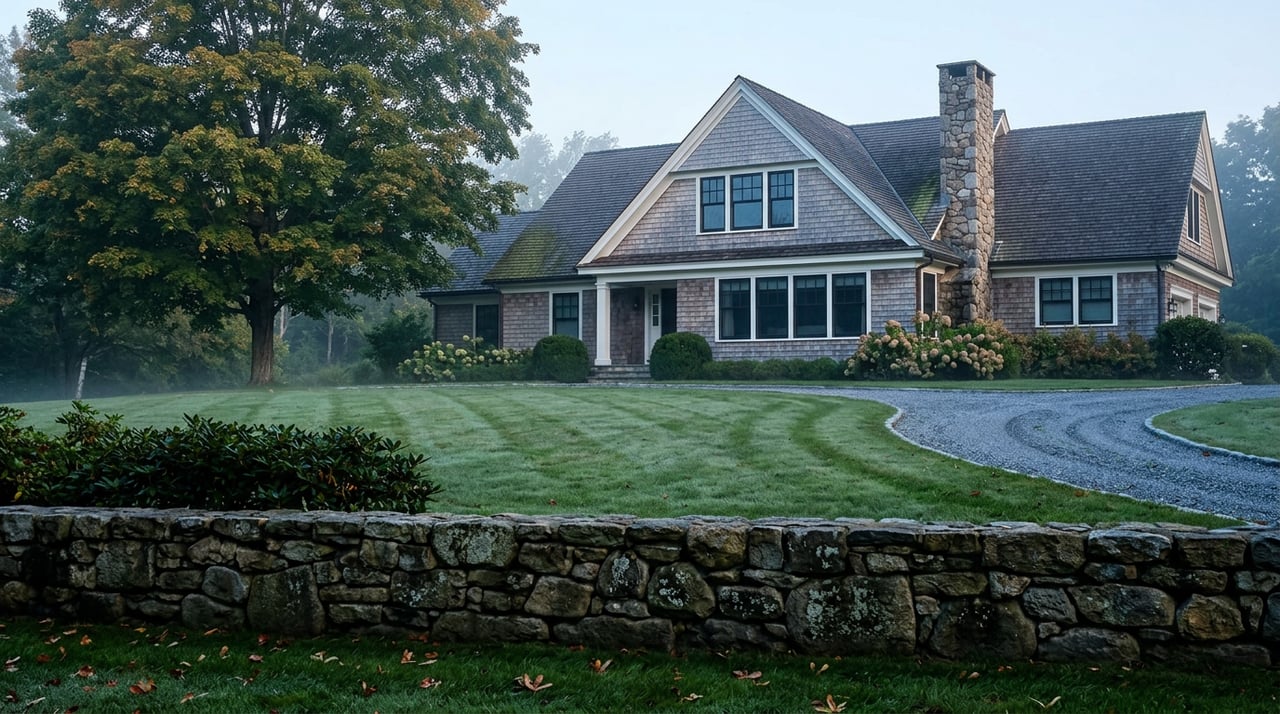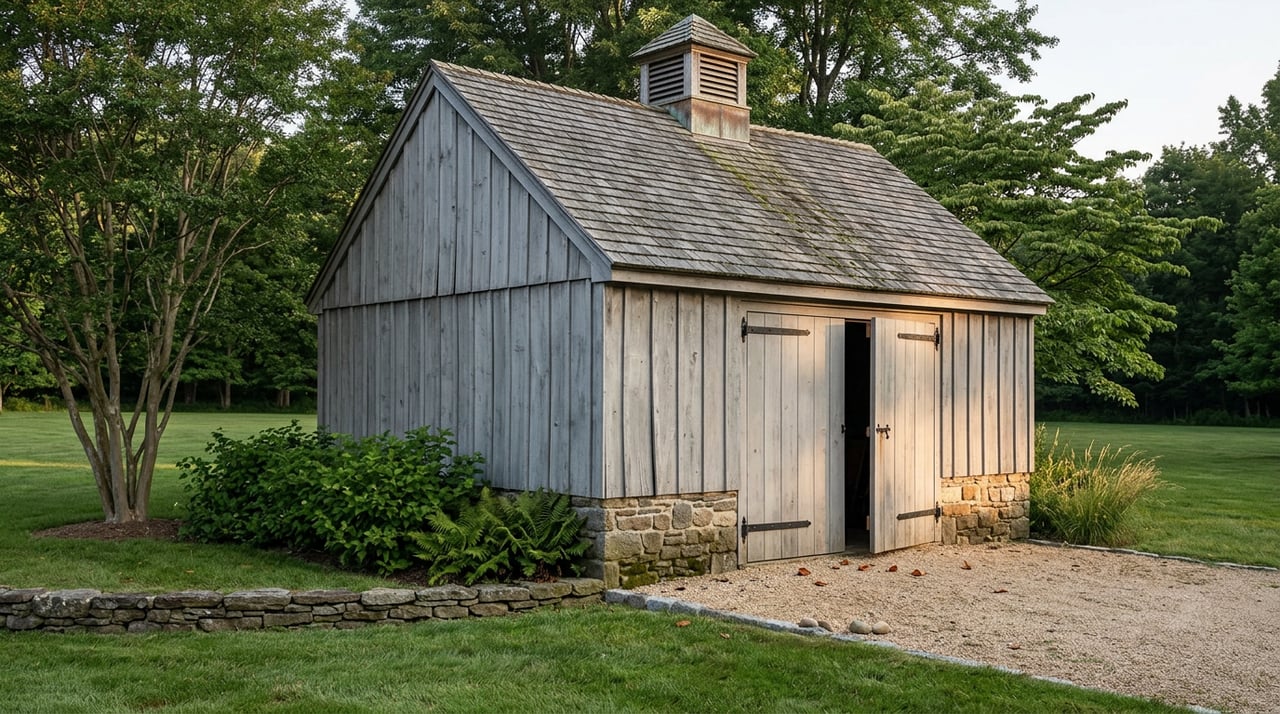
Have you spotted “conservation easement” or “open-space restriction” on a Weston listing and wondered what it really means for your plans? If you are buying or selling acreage or an estate property, these terms matter. They help preserve Weston’s natural character, yet they can also shape what you can build, finance, maintain, and resell. In this guide, you will learn how conservation easements work in Connecticut and in Weston, what they change for owners, and the smart steps to take before you move forward. Let’s dive in.
What a conservation easement is
A conservation easement is a voluntary legal agreement recorded in the land records that limits certain uses of private property to protect conservation values like open space, habitat, scenic views, historic elements, or agriculture. It is typically perpetual, which means it runs with the land and binds current and future owners. The easement holder, often a land trust or a government entity, can monitor and enforce the terms.
You keep ownership when a conservation easement exists. You can still sell, bequeath, and enjoy the land, but you surrender the specific rights limited by the easement. That might include subdividing, expanding building areas, clearing trees beyond defined zones, or adding new structures in restricted areas. The exact limits or permissions sit in the recorded deed language.
How it differs from other restrictions
Not every open-space label is a conservation easement. In Weston, you may also see municipal open-space restrictions, homeowners association covenants, or developer-imposed restrictions. These tools can look similar but may differ in permanence, enforcement, and purpose. Always confirm the precise instrument recorded for the property.
How easements work in Weston, CT
Weston’s landscape is shaped by large-lot zoning and a community focus on preserving open space. You will find conservation easements held by local or regional land trusts, the Town of Weston, or sometimes state agencies for specific projects.
Who holds and enforces
Easements are typically held by a land trust or a governmental body that is responsible for monitoring and enforcing the terms. Land trusts often make periodic site visits, keep a baseline documentation report with photos and maps, and work with owners to address questions or cure issues. Courts rarely modify or extinguish these recorded restrictions. Treat them as durable.
How easements are created
Easements are created in a few common ways. An owner might donate an easement to a qualified organization, a town might require an easement as a condition of subdivision approval, or a restriction might be placed in connection with conservation funding. Once recorded, the easement will appear in title searches and often on town or regional mapping tools. As a buyer, you should request the recorded easement deed and any baseline documentation during due diligence.
Relationship to town permits
A conservation easement does not replace town permitting. You still must comply with zoning, wetlands, building, and septic regulations. Think of the easement as a private layer of restrictions in addition to municipal rules. A project that passes zoning can still be blocked by easement language if it conflicts with the recorded terms.
What it means for your plans
Conservation easements are tailored. Some are strict. Others allow limited forestry or agriculture, private trails, or a single-family home within a defined building envelope. The details live in the easement deed, not in assumptions.
Typical restrictions
- No subdivision to create new residential lots.
- No new commercial development.
- No clearing or grading outside defined areas.
- No new accessory structures outside a building envelope when the deed specifies these limits.
Often permitted when stated
- A single-family residence within a designated building area.
- Limited forestry that follows sustainable guidelines.
- Limited agriculture or meadow management.
- Private trails and seasonal uses.
Public access vs. private use
Do not assume public access. Some easements allow trails and public use, while others are strictly private. The deed will say whether access is allowed.
Costs, maintenance, and responsibilities
You are usually responsible for routine property maintenance. That includes driveways, existing structures, lawn and meadow care, and septic systems. If the easement calls for specific conservation actions like invasive species control or habitat restoration, it should say who performs the work and who pays for it. Some holders may offer technical guidance. Funding is not guaranteed.
Certain easements require a stewardship endowment or monitoring fee when the easement is created or when ownership transfers. Ask the holder if any ongoing fees or stewardship obligations apply.
Buying or selling a conserved property
A conservation easement influences marketability and value. The direction and magnitude depend on the property. Buyers who want privacy, protected views, and long-term open space may value the protection. Other buyers may prefer expansion potential and flexible land use.
Appraisers will consider the easement’s impact on market value. In suburban and estate markets, removal of development rights often translates to a modest reduction in value, yet some properties see strong demand because the easement secures the surroundings. The remaining building envelope, acreage usability, setting, and comparable sales all matter.
Sellers should disclose the easement early and provide the recorded deed, maps, and any baseline documentation. Clear marketing with accurate boundaries, permitted uses, and maintenance notes builds trust and reduces surprises during negotiation.
Financing, title, and construction
Mortgages attach subject to recorded easements. Lenders and title companies will review the easement language and may require specific protections. Some lenders want confirmation that the easement does not unduly impair collateral value or that the mortgage is properly subordinated if needed.
If you plan construction or major site work, you may need consent from the easement holder if the work touches restricted areas. Engage your lender and the easement holder early. Title insurance policies will list the easement as an exception. Your attorney should verify final title details and any lender requirements before closing.
Taxes and incentives in Connecticut
If an owner donates a qualifying conservation easement to a qualified organization and the conservation purpose is protected in perpetuity, federal law may allow a charitable contribution deduction under Internal Revenue Code section 170(h). The rules are detailed. They generally require a qualified appraisal and baseline documentation.
Connecticut supports open-space programs for municipalities and conservation, yet the state does not offer a broad, simple tax credit that mirrors federal donation rules. The property tax assessment impact of an easement is local and variable. Reduced development potential can affect assessed value in some situations. You should speak with the Weston assessor to understand how conserved properties are treated.
Due diligence checklist
Use this checklist to stay organized during a Weston transaction.
- Get the recorded easement deed, all amendments, and the legal description. Confirm whether it is titled a conservation easement or conservation restriction.
- Request the baseline documentation report with photos, maps, and narrative.
- Identify the easement holder. Ask about permitted uses, maintenance responsibilities, monitoring schedules, any enforcement history, and whether fees or endowments apply.
- Engage a real estate attorney experienced with conservation easements to review the language, explain implications, and coordinate with the title company and lender.
- Contact your lender early to avoid financing surprises and to determine if subordination or holder consent is required.
- If valuation is needed, hire an appraiser experienced in conservation-restricted properties.
- Confirm with the local assessor whether the easement has changed the assessment and how taxed value is determined for similar properties.
- If the seller donated the easement, gather the appraisal and gift documentation. Buyers may ask for this information.
- For sellers, disclose the easement in listing materials and provide documents upfront. For buyers, include easement review in your contingencies and request documents early.
Avoid common pitfalls
A few frequent mistakes can derail an otherwise smooth transaction.
- Treating all open-space labels as the same. Municipal open space, conservation easements, developer covenants, and wetlands rules are different.
- Ignoring the building envelope. The envelope, setbacks, and reserved rights control where and whether new work can occur.
- Assuming public access. Some properties welcome it. Many do not.
- Overrelying on online maps. Use recorded documents and a current survey for precise boundaries and envelopes.
- Forgetting layers of restrictions. Wetlands, conservation easements, and any historic or archaeological conditions can overlap.
When to bring in experts
Easements are legal instruments that shape land use. An experienced attorney can translate the deed into plain English for your plans. A lender and appraiser familiar with restricted properties can speed underwriting and valuation. The easement holder can answer practical questions about monitoring and stewardship. A local brokerage that regularly handles larger-lot and estate transactions in Weston can help you package the property for sale or assess fit if you are buying.
If you want a clear, calm path through the details, connect with the hometown team at Camelot Real Estate. We combine deep local knowledge with careful guidance so you can make confident decisions about conserved properties in Weston.
FAQs
What is a conservation easement in Weston, CT?
- It is a recorded legal agreement that limits certain uses of private land to protect conservation values, typically in perpetuity, and is monitored and enforced by a land trust or a government entity.
Does a conservation easement replace town permits?
- No, you still need to comply with Weston zoning, wetlands, building, and health department rules, since an easement adds private restrictions on top of municipal regulations.
Can I build on a property with an easement?
- Often yes within a designated building envelope, but only if the easement deed allows it; the specific language controls what is permitted or prohibited.
How do easements affect property value and resale?
- The impact varies by property; removal of development rights can reduce value, yet buyers who prize protected open space may value the privacy and permanence the easement provides.
Will lenders finance a conserved property?
- Many lenders will, but they will review the recorded easement and may require protections or confirmations; engage your lender early to avoid delays.
Can a conservation easement be changed or removed?
- It is rare; courts apply narrow doctrines for modification or extinguishment, so you should treat the easement as a durable, long-term constraint on land use.