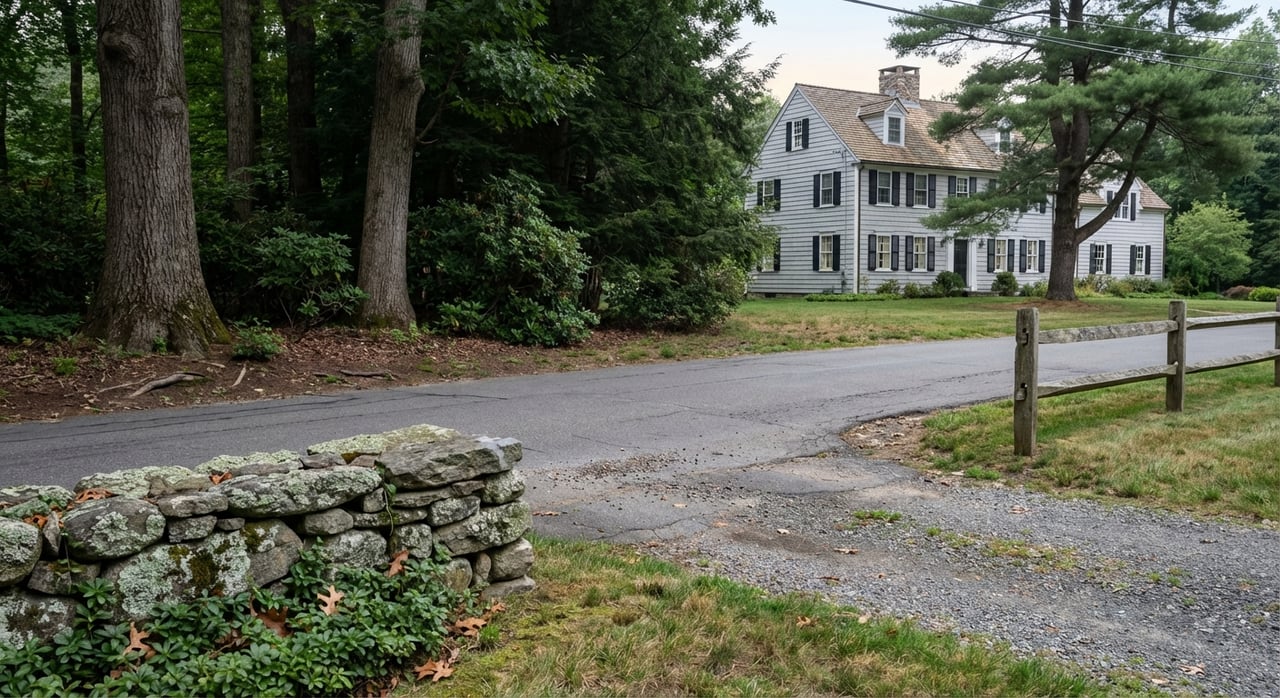
Wondering which corner of Weston will actually fit your day-to-day life? You might want quick errands near the school campus, Saturday tennis and pool time, or deep woods and quiet nights under the stars. This guide breaks down how Weston's pockets differ on privacy, trails, clubs, lot features, and practical checks before you buy. By the end, you will know where to focus and what to verify so your next move is confident and smooth.
Let’s dive in.
Weston at a glance
Weston is intentionally low density with its civic and small commercial core clustered near Routes 57 and 53. The town’s planning materials highlight this compact center and ongoing steps to improve walkability close to Town Hall, the library, and the school campus. You can review current plans and contacts through the town’s Planning and Zoning page for context on projects and permitting timelines. Explore Planning & Zoning resources.
A large share of Weston is conserved open space, including the Lucius Pond Ordway–Devil’s Den Preserve on the north side. That footprint shapes the town’s wooded feel, long sight lines, and easy access to trail systems. If you value trailheads near home, that preserved land will be a major factor in your search. Learn more about Devil’s Den through The Nature Conservancy’s preserve page.
Most homes sit on larger lots with private wells and on-site septic systems. Municipal water service is limited to select town and school buildings, and the town has addressed system items in recent years, which is a helpful reminder to test private wells during due diligence. You can see recent updates on the town and school water system here: Weston School–Town Drinking Water System.
Map your priorities to Weston's corners
Below are practical sections of town buyers often compare. Each has a distinct feel, typical lot patterns, and tradeoffs.
Town Center & School Campus (Central)
If you want the most “village” experience in Weston, look close to the town green, library, and the school campus. Streets are closer together than in the rest of town, and the town plan calls for improved sidewalks and safer connections. Lots can still be generous and wooded, with a mix of antique homes and later colonials.
What you will like: short drives to school drop-off, town events, and library visits. What to weigh: slightly more local traffic near feeder roads and the center during peak times. Check current and planned improvements through Planning & Zoning.
The “Ring” streets around the center
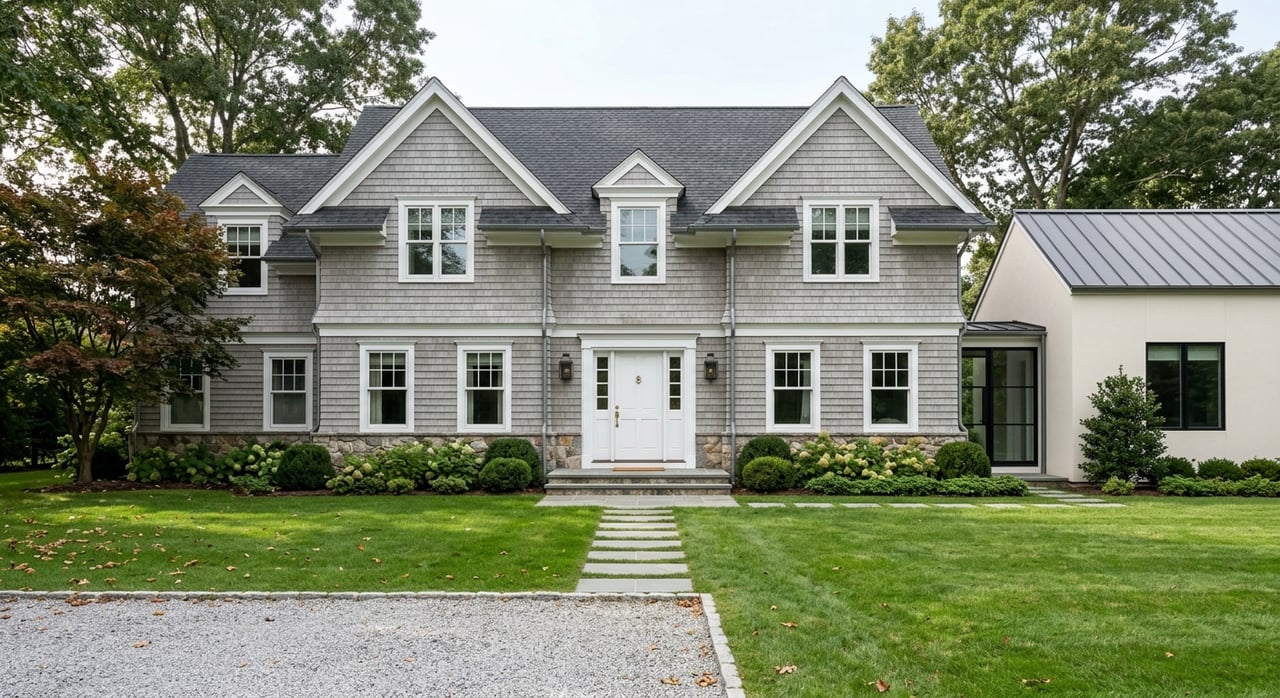
This is the residential band on the roads feeding into town, often thought of locally as a ring surrounding the center. Expect mature landscaping, well-kept colonials and expanded mid-century homes, and a convenient reach to the heart of town.
What you will like: a balance of privacy and quick access to the center. What to weigh: lot sizes vary, so verify buildable area and any wetlands before planning additions or outdoor amenities.
Saugatuck River Valley and Southeast
On the river side toward Westport, you will see lower-lying areas, open river views in places, and a cluster of parks and ballfields. If you want easier access to Westport shopping and train stations, this side tends to shorten those weekday trips. Town parks like Bisceglie–Scribner and Morehouse Farm sit in this general area. Explore facilities and programs through Weston Parks & Recreation.
What you will like: proximity to fields, river scenery, and a straightforward hop to Westport. What to weigh: floodplain and wetlands buffers are more common here, so confirm buildability and insurance requirements early.
Ladder Hill and Weston Field Club area
South and west of the center, the streets around Ladder Hill and the Weston Field Club have a comfortable, residential feel. If you are targeting a club lifestyle with tennis, pool time, and summer programming, this pocket puts you close to the action. Preview the club’s amenities via the Weston Field Club.
What you will like: short drives to club activities and a relaxed, neighborhood rhythm. What to weigh: confirm membership availability and commute patterns from these roads during peak hours.
Norfield and the historic intersection
Near the Norfield Road and Weston Road intersection, you will find a picturesque pocket with historic context and a settled, park-like feel. The area blends restored older homes with compatible newer builds, all within a residential setting anchored by long-standing community institutions. Learn more about the local historic congregation at Norfield Church.
What you will like: a small-scale, historic vibe with mature trees and a quiet rhythm. What to weigh: lots may have established landscaping that guides where and how you expand outdoor living.
North Weston and the Devil’s Den edge
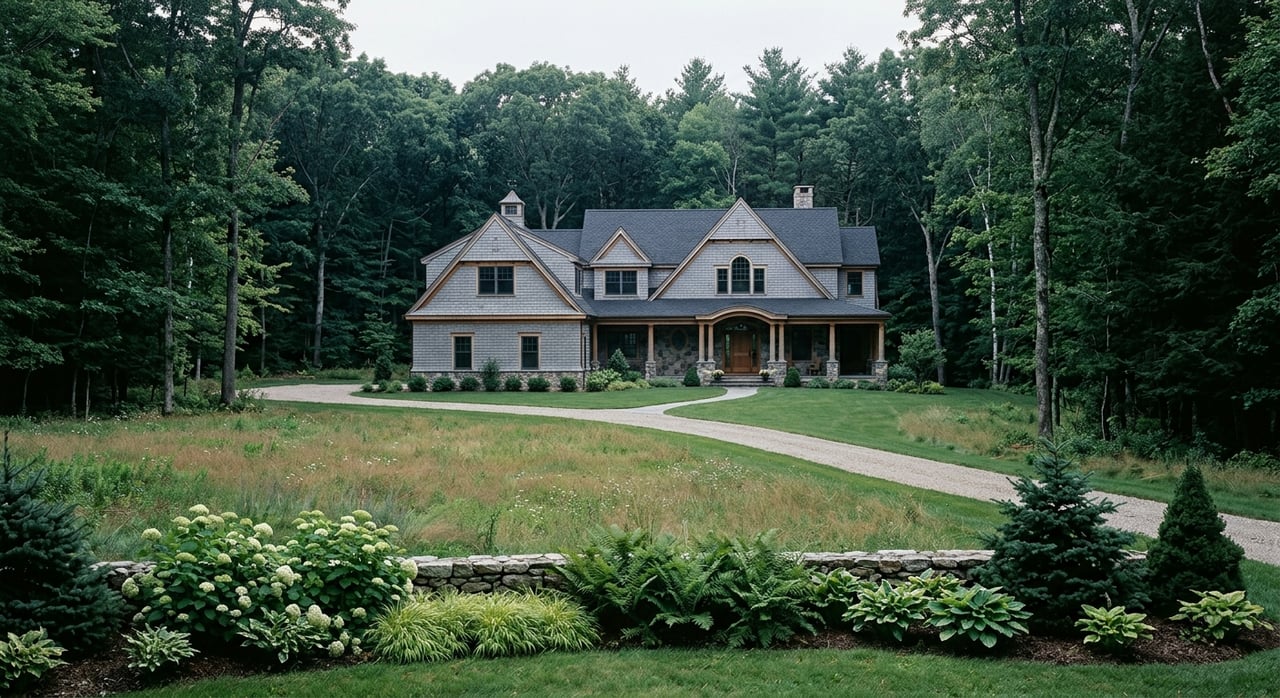
Head north and west toward Devil’s Den and you will feel Weston's most wooded, secluded character. Driveways grow longer, night skies are darker, and preserve adjacency is part of daily life. If you want privacy and frequent trail walks, this area is a strong match.
What you will like: maximum privacy, deep woods, and abundant trail access. What to weigh: rocky ledge, septic siting, and longer utility runs are more common, so buildability reviews are essential. Trail info and preserve details are available from The Nature Conservancy and Aspetuck Land Trust.
What changes by corner
Lot size and buildability
Even on larger lots, the usable footprint can vary due to wetlands, slopes, ledge, and septic reserve requirements. If you plan a pool, sport court, or expanded patio, you should confirm soils and reserve areas at the start. The town’s GIS viewer is your first stop for parcel lines, zoning, and environmental layers. Open the Weston GIS map.
Wells and septic
Most homes use private wells and on-site septic, regulated locally through health authorities. Ask for the septic as-built, pump history, and reserve location, then schedule required tests for well water quality and yield. For context on what “town water” means in Weston, see the town’s communication on the school and town system: Weston School–Town Drinking Water System.
Driveways and winter
Deeper, rural parcels often come with longer driveways and private plowing arrangements. If access involves a private road, request the road maintenance agreement and confirm who handles snow, sanding, and liability. Budgeting for these items upfront prevents surprises in your first winter.
Trails and open space adjacency
If trail access is a top priority, the northern preserve blocks are the most extensive, though you will find parks and preserves in many parts of town. Check preserve maps and rules before planning routine trail use from your doorstep. Start with Aspetuck Land Trust and The Nature Conservancy’s Devil’s Den.
Noise and traffic
Feeder roads to the center and the main through streets, Routes 57 and 53, carry more daily traffic. In contrast, the most rural lanes feel very quiet but add some drive time. If you are sensitive to noise, visit at different times of day to compare.
Club access
If you want a club-centered routine, focus on streets near the Weston Field Club and consider drive times to other private clubs in neighboring towns. Confirm membership options, wait times, and seasonal programming before you commit to a property on that basis. Review pool and tennis highlights at the Weston Field Club.
Buyer profiles and likely fits
- You want short errands and school convenience: Town Center, Norfield, and the ring streets.
- You want club life with swim and tennis: Ladder Hill and the Weston Field Club area.
- You want big woods and privacy: North Weston near the Devil’s Den blocks.
- You want quicker access to shops and trains: Saugatuck River side and the southeast.
Your due-diligence checklist
Use this list to keep your search efficient and thorough:
- Confirm zoning and parcel details in the town GIS, then request current zoning regulations and setback requirements for the address. Start with the Weston GIS map and Planning & Zoning.
- Request the septic plan and maintenance records. Ask the local health authorities about current approvals, reserve areas, and any testing needed if you plan a pool or addition.
- Test well water for quality and yield. Include common parameters such as coliform, nitrates, and any items your lender or insurer requires. For municipal system context, see the School–Town Drinking Water System.
- Check wetlands and floodplain factors, especially in the river valley. Confirm that the building envelope and any planned amenities sit outside regulated buffers.
- Verify driveway responsibilities and costs. For private roads, request the maintenance agreement and confirm insurance requirements.
- Map your lifestyle nodes. Estimate drive times to the Weston Field Club, town parks, and preserves. Reference Parks & Recreation, Aspetuck Land Trust, and Devil’s Den.
How to choose with confidence
Start by ranking what matters most: commute and errands, club access, trail proximity, or maximum privacy. Then match those priorities to the corners outlined above and run your checks on buildability, wells, septic, and access. If a property passes those filters, walk the site at different times of day and in different weather so you understand light, drainage, and traffic patterns.
If you want a calm, expert process from the first tour through closing, work with a team that lives and breathes Weston. As the only brokerage based in Weston Town Center, we help you weigh tradeoffs street by street, confirm what is possible on your lot, and connect you with trusted local pros for every test and permit. When you are ready, reach out to Camelot Real Estate to compare corners and move forward with clarity.
FAQs
Does Weston have public water and sewer for single-family homes?
- Most homes in Weston use private wells and septic systems. Municipal water is limited to select town and school properties, so plan to test well water and review septic records during due diligence.
How does two-acre-style zoning affect what I can build?
- Larger minimum lots shape setbacks, septic reserve needs, and where additions or amenities can go. Always verify buildable area, reserve locations, and wetlands before designing a pool, court, or expansion.
Which area is best for quick access to parks and fields?
- The Saugatuck River side and southeast have a cluster of town fields and parks, including Bisceglie–Scribner and Morehouse Farm Park. Confirm exact driving times from any listing you consider.
Where should I look if I want the most trail access and privacy?
- North Weston near the Devil’s Den preserve offers the most extensive trail networks and a quiet, wooded character. Expect longer driveways and more site-specific checks for ledge and septic siting.
What should I check if a home is near the river or wetlands?
- Review FEMA flood maps, confirm regulated buffers with town staff, and verify that the building envelope and planned improvements sit outside floodplain and inland wetlands setbacks.