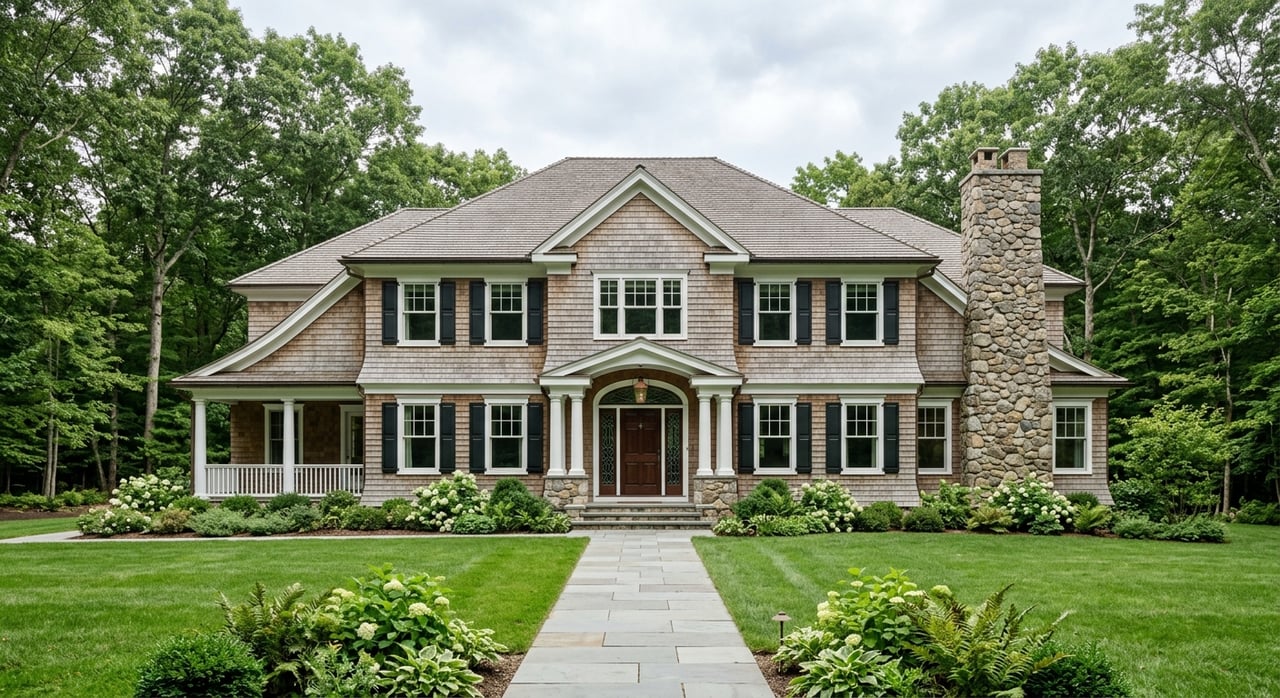
Craving real space and privacy without giving up a connected Fairfield County lifestyle? In Weston, estate living is shaped by two-acre zoning, a strong conservation culture, and quiet roads lined with mature trees and stone walls. If you are weighing a move, you likely want clarity on acreage, accessory structures, wetlands, septic, and taxes before you write an offer. This guide breaks it down so you know what to expect and how to plan your purchase with confidence. Let’s dive in.
Why Weston appeals to estate buyers
Weston is intentionally low density, with a small-town feel and a population of about 10,490 according to the latest U.S. Census estimate. That scale supports a calmer, residential pace and a focus on open space and local stewardship. Many buyers come for privacy, larger lots, and town amenities, including community programs and a public school system that many families prioritize.
A major perk is access to preserved land. The Lucius Pond Ordway–Devil’s Den Preserve is the largest contiguous nature preserve in southwest Fairfield County, offering miles of trails and long-term protection of natural scenery. If you love hiking, wildlife, and quiet neighbors, adjacency to protected land can be a defining benefit.
- Census snapshot: U.S. Census QuickFacts for Weston
- Open space highlight: Devil’s Den Preserve overview
Estate scale in Weston: land, zoning, privacy
Two-acre zoning sets the tone
Most of Weston falls within the Two-Acre Residential and Farming District. In practice, that means many single-family lots are two acres or more, and true estate parcels often range from two to ten plus acres depending on prior subdivision history. This baseline zoning directly supports privacy, mature landscapes, and the ability to add amenities over time if they comply with code.
- Zoning framework: see Weston’s Zoning Regulations and General Regulations for permitted uses, dimensional standards, and definitions.
Siting, setbacks, and buffers
Setbacks, coverage rules, and buffers shape where you can build or expand. Work near streams, ponds, and wetlands is regulated, and the code references minimum buffers such as a 50-foot setback from watercourses. If you are planning a new pool, sports court, or grading for a lawn, expect to confirm setbacks, coverage, and any conservation or wetlands review before you begin.
- Key standards: Weston’s General Regulations outline setbacks, buffers, and structure definitions that impact pools, courts, and outbuildings.
Amenities and accessory structures
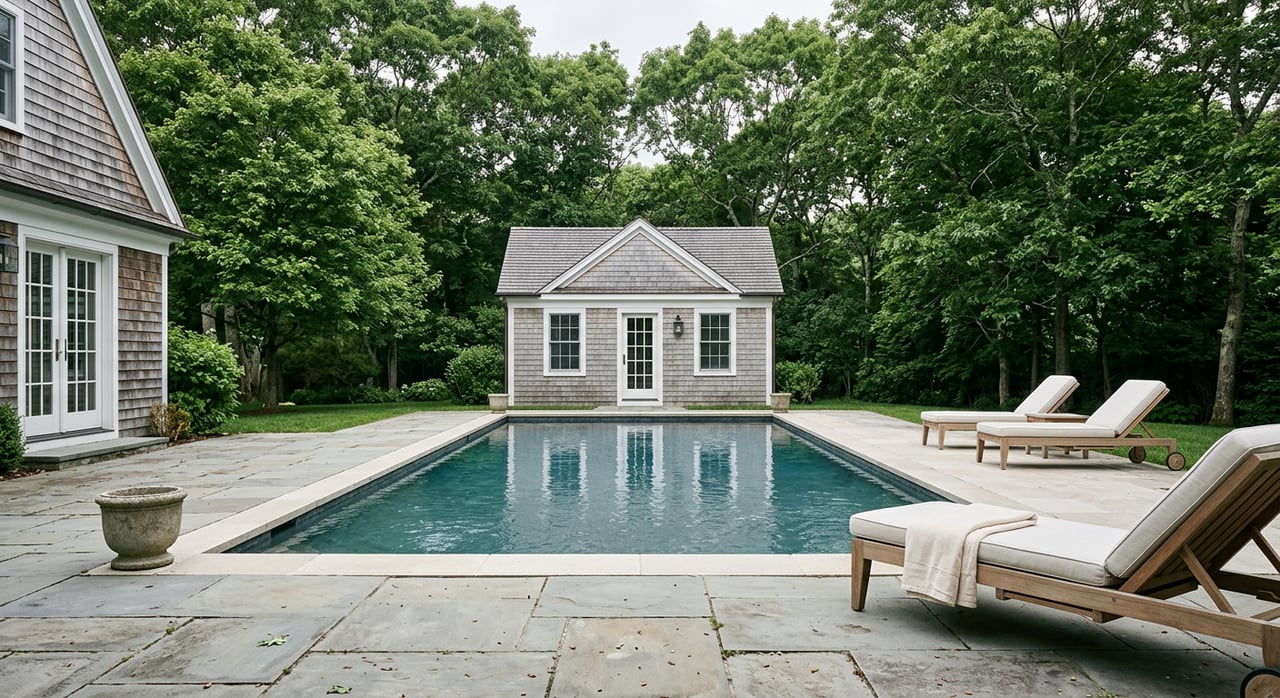
You will find common estate amenities like pools, guest spaces, carriage-house garages, and sometimes barns or small stable setups. Many of these are considered structures and must meet setbacks and coverage limits. Larger or more intensive accessory uses can require a special permit and Planning and Zoning review, so plan timelines with that in mind.
- Special-permit pathway: refer to the town’s Zoning Regulations for uses and submittal standards that may trigger additional review.
Conservation, easements, and environmental reviews
Preserved lands and what they mean for you
Weston’s conservation network is a long-term part of the town’s identity. Besides Devil’s Den, local land trusts actively protect parcels in and around Weston, which can preserve viewsheds and reduce future development nearby. For buyers, that can be a lasting amenity and a meaningful value factor.
- Local conservation activity: see an example of recent protection efforts via Aspetuck Land Trust.
Conservation easements 101
Some properties include recorded conservation easements that limit certain uses, tree clearing, or future subdivision. These restrictions run with the land and typically involve ongoing monitoring by a land trust or agency. Before you close, request all conservation documents, read the allowed and prohibited uses, and speak with the holder of the easement about any plans you have for improvements.
- Easement guidance: learn how conservation easements work from this land trust overview.
Wetlands, wells, and septic
Much of Weston relies on private wells and on-site septic systems. New or expanded septic systems require design, testing, and approval from the local health district, and work near wetlands or watercourses may need review by the Conservation Commission or Planning and Zoning. If you are eyeing a guest suite, barn with a bathroom, or a pool, pull in the right specialists early to avoid surprises.
- Wetlands and buffers: see Weston’s General Regulations for regulated areas and buffers near watercourses.
- Septic and well oversight: the Westport–Weston Health District reviews and approves private systems; an overview of the process appears in this regional briefing.
Value, taxes, and the cost of stewardship
What drives estate value in Weston
Value on larger parcels reflects three main ingredients: the house itself, the land and privacy, and the amenity package. Extra acreage and adjacency to protected open space can support stronger pricing in a town where two-acre zoning is the norm. Market conditions shift by micro-location, so use current comps and a local valuation to calibrate your offer.
Property taxes and revaluation timing
Property taxes depend on the assessed value, the town’s mill rate, and the revaluation cycle. Before you finalize your numbers, confirm the current mill rate, when the last revaluation occurred, and any factors that could change your post-closing tax bill. The Assessor’s page is the authoritative source for these details.
- Check current info: Weston Assessor’s mill rate and revaluation notes.
Ongoing ownership and maintenance
Larger properties require a stewardship mindset. Plan routine septic pumping and water testing, tree care with an arborist, seasonal driveway upkeep, and landscape or meadow management to control invasives. If your property includes a barn, pool, or guest house, speak with your insurer about proper endorsements and liability coverage so your policy matches your use.
- Stewardship resources: land trusts often share best practices for long-term land care, as in this guidance page.
Your Weston estate-buying playbook
Buying well means assembling your team and sequencing due diligence so you can act confidently.
Pre-offer or right after going under contract
- Order a current boundary and topographic survey from a licensed surveyor.
- Engage a land-use or zoning attorney to flag any restrictions, special-permit triggers, or recorded covenants.
- Request all known conservation documents and prior permits from the seller or listing agent.
- Schedule septic capacity and well water testing, and verify bedroom count the system supports.
Inspection period
- Bring in a general inspector plus specialists as needed: structural, chimney, pool, and HVAC.
- If you are planning a pool, riding ring, or outbuildings, consult a wetlands engineer or soil scientist about feasibility and permitting.
- Walk the property with an arborist to identify tree risks along the house and driveway.
Before closing
- Confirm that municipal approvals are in place for existing structures and that open permits are closed.
- Verify title exceptions, recorded easements, and any HOA or shared-road maintenance agreements.
- Validate the current mill rate and assessment status with the Assessor’s office and budget accordingly.
Ready to explore estate living in Weston?
If you want acreage, privacy, and long-term community stability, Weston delivers a rare blend of space and stewardship. With the right plan and local team, you can secure a property that fits your lifestyle today and your vision for tomorrow. When you are ready to talk specifics, we are here to help you evaluate land, amenities, and approvals with clarity and care. Connect with Camelot Real Estate to start a focused search or request a discreet valuation.
FAQs
What is a typical estate lot size in Weston?
- Many estate parcels range from about two to ten plus acres, shaped by the town’s two-acre residential zoning and past subdivision history.
Can I add a guest house, barn, or sport court on my property?
- Often yes, but most accessory structures must meet setback and coverage rules, and some uses may require a special permit through Planning and Zoning.
How do wetlands and watercourse rules affect building?
- Work near regulated areas, such as streams or ponds, may require review, and buffers like a 50-foot setback from watercourses can guide siting and design.
What should I know about septic and well systems?
- Many homes use private wells and septic, which need regular maintenance; capacity and any expansions require review and approval by the local health district.
How are property taxes determined in Weston?
- Taxes reflect your assessed value and the town’s mill rate; check the Assessor’s page for the current rate and revaluation timing before you finalize budgets.