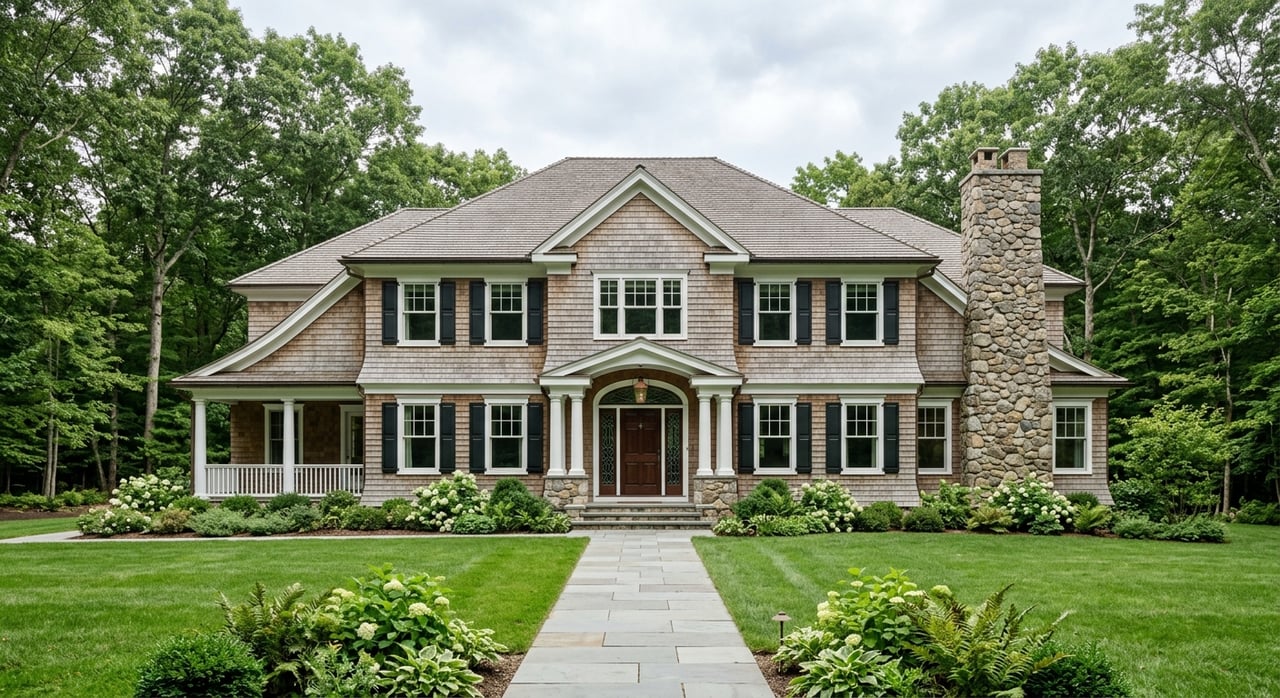
If you are thinking about listing your home in Weston, you may be wondering how fast it will move, how to price it, and what paperwork you need before it hits the market. In a town where inventory is limited and each property can be very different from the next, the selling process often feels more customized than it does in a higher-volume market. This guide walks you through what to expect, from pricing and preparation to showings, offers, and closing, so you can move forward with more clarity and confidence. Let’s dive in.
Weston market expectations
Weston is currently a premium, low-volume market, which means broad averages only tell part of the story. According to Realtor.com’s Weston market snapshot, there were 21 homes for sale in March 2026, with a median listing price of $1,497,500. The same source reported that median days on market in Weston rose 256.25% year over year.
Sold data also shows why your pricing conversation should be highly specific. Redfin data cited in the local market snapshot showed a January 2026 median sale price of $2.0M, 16 days on market, and only one home sold. With such a small sample, your home’s condition, recent Weston comps, and presentation matter more than countywide trends.
Start with a strong listing plan
Before your home is listed, you should expect a detailed pre-list consultation that goes beyond a quick price estimate. In Connecticut, a seller’s agent owes you duties that include loyalty, diligence, disclosure, confidentiality, accounting, and reasonable skill and care, according to the Connecticut Department of Consumer Protection.
That same state guidance explains that a listing agent should prepare a competitive market analysis, help establish your asking price, guide staging and positioning, implement marketing strategies, present all offers, and negotiate on your behalf. It also recommends agreeing on expectations in writing at the start of the relationship. In Weston, that usually means you should expect clear communication, a tailored launch strategy, and a pricing opinion built around local comparables rather than a generic formula.
Pricing in Weston takes nuance
In a market like Weston, pricing is rarely a plug-and-play exercise. Two homes with similar square footage can perform very differently based on updates, acreage, layout, condition, and how they compare to recent local sales.
Because inventory is limited and recent sales volume can be low, your asking price should reflect both the current competition and the story your home tells in the market. A well-prepared home that is priced thoughtfully may attract strong early interest, while an ambitious price can lengthen time on market in a town where buyers tend to be informed and selective.
Prepare the home before launch
One of the most important parts of listing a home in Weston happens before the first showing. Once pricing is set, you should expect to spend time preparing the home so it presents clearly and gives buyers confidence.
That often includes decluttering, completing small repairs, organizing records, and reviewing any known issues that may come up during buyer diligence. In a market where first impressions carry weight, thoughtful preparation can help buyers focus on the property itself rather than the work they think they may need to do later.
Gather disclosures and property records
Connecticut requires a Residential Property Condition Report for transfers of residential property with four dwelling units or fewer, including condominiums and cooperatives. You must provide that report to a prospective purchaser before the buyer signs a binder, contract to purchase, option, or lease with a purchase option.
The form requires you to answer questions to the best of your knowledge and disclose known problems. It also states that the real estate licensee cannot complete the form on your behalf. If the report is not furnished, the buyer is entitled to a $500 credit at closing.
The state’s consumer guidance also notes that, as of July 1, 2025, Connecticut added a Residential Foundation Condition Report for certain property transfers. Because the standard condition report asks about matters such as flood hazard areas, easements, tax districts, underground storage tanks, water and sewer systems, asbestos, lead, foundation issues, roof leaks, radon, and flood history, it is smart to gather documents early.
Helpful records to have ready may include:
- Repair invoices
- Permits and approvals
- Inspection reports
- Engineer reports
- Roof, septic, well, radon, or utility service records
- Documentation related to foundation or settling concerns
Marketing and launch matter early
Once your home is ready, the listing process moves into launch and active marketing. According to the state’s seller-agent guidance, your agent should implement the marketing plan and keep you informed about market conditions.
In Weston, that early window matters. With limited inventory and changing pace, buyer response in the first days and weeks can offer important signals about pricing, positioning, and presentation. A polished launch, quality visuals, and a clear strategy for communicating feedback can help you make informed decisions quickly if the market response is stronger or slower than expected.
Showings and buyer feedback
Showings are often the first real test of how your home is being received. You should expect some combination of private appointments, agent tours, and follow-up feedback that helps you understand what buyers are noticing.
In a small market, the feedback loop can be especially useful. Comments about condition, layout, updates, or value relative to competing homes may shape whether you stay the course or make adjustments. Your listing agent should help you separate casual opinions from patterns that matter.
Offer review and negotiation
When offers come in, your agent’s role becomes even more important. The Connecticut Department of Consumer Protection says a seller’s agent presents all offers, counsels the seller on what price to accept, and negotiates exclusively on the seller’s behalf.
That means you should expect more than a simple summary of price. A strong offer review includes timing, contingencies, financing strength, requested terms, and how each proposal fits your priorities. In Weston, where each transaction can be highly individual, the best offer is not always just the highest number.
Closing in Connecticut
If you have sold property in another state, one part of the Connecticut process may feel different. Under Connecticut law, a real estate closing must be conducted by an attorney admitted in the state, so sellers should expect an attorney-led closing.
The Department of Revenue Services also states that the grantor, the grantor’s attorney, or an authorized agent must file Form OP-236, and the tax is due when the deed is recorded. Your listing agent may suggest an attorney for closing-cost estimates, which is also part of the seller-agent guidance provided by the state.
Budget for Weston seller closing costs
Weston sellers should plan for local and state conveyance taxes at closing. Based on the town fee schedule and state guidance, Weston’s town conveyance tax is 0.25% of the sale price, plus a $2 transfer fee. The state conveyance tax is 0.75% up to $800,000 of consideration and 1.25% above $800,000 for residential dwellings, as summarized by the Connecticut Department of Revenue Services.
Because Weston’s median listing price was $1,497,500 in March 2026, many local sales may cross the $800,000 threshold. At that illustrative price point, the state conveyance tax would be about $14,718.75, the Weston town conveyance tax would be about $3,743.75, and the $2 transfer fee would also apply before attorney and other closing-related costs.
What the process should feel like
Listing a home in Weston should feel informed, organized, and tailored to your property. You deserve a plan that reflects the town’s low-volume, high-value market, along with clear guidance on disclosures, timing, marketing, and negotiation.
If you are preparing for a move, downsizing, or simply exploring what your home could command in today’s market, working with a local team that understands Weston block by block can make the process calmer and more strategic. When you are ready, connect with Camelot Real Estate for a complimentary home valuation or personalized guidance on your next move.
FAQs
When do I need to provide the Connecticut property disclosure when listing a home in Weston?
- You must provide the Residential Property Condition Report before the buyer signs a binder, contract to purchase, option, or lease with a purchase option.
Can my real estate agent fill out the Connecticut disclosure form for my Weston home sale?
- No. The Connecticut form states that the real estate licensee cannot complete the property condition report on your behalf.
Do I need an attorney to close on a home sale in Weston, Connecticut?
- Yes. Connecticut law requires a Connecticut-admitted attorney to conduct the real estate closing.
What seller closing costs should I expect when listing a home in Weston?
- At minimum, you should plan for Weston’s town conveyance tax, the state conveyance tax, the $2 transfer fee, and attorney and recording-related costs.
What documents should I gather before listing a home in Weston?
- It helps to gather repair records, permits, inspection reports, and documentation related to foundation, flood, septic, well, radon, roof, or other issues covered by the Connecticut condition report.