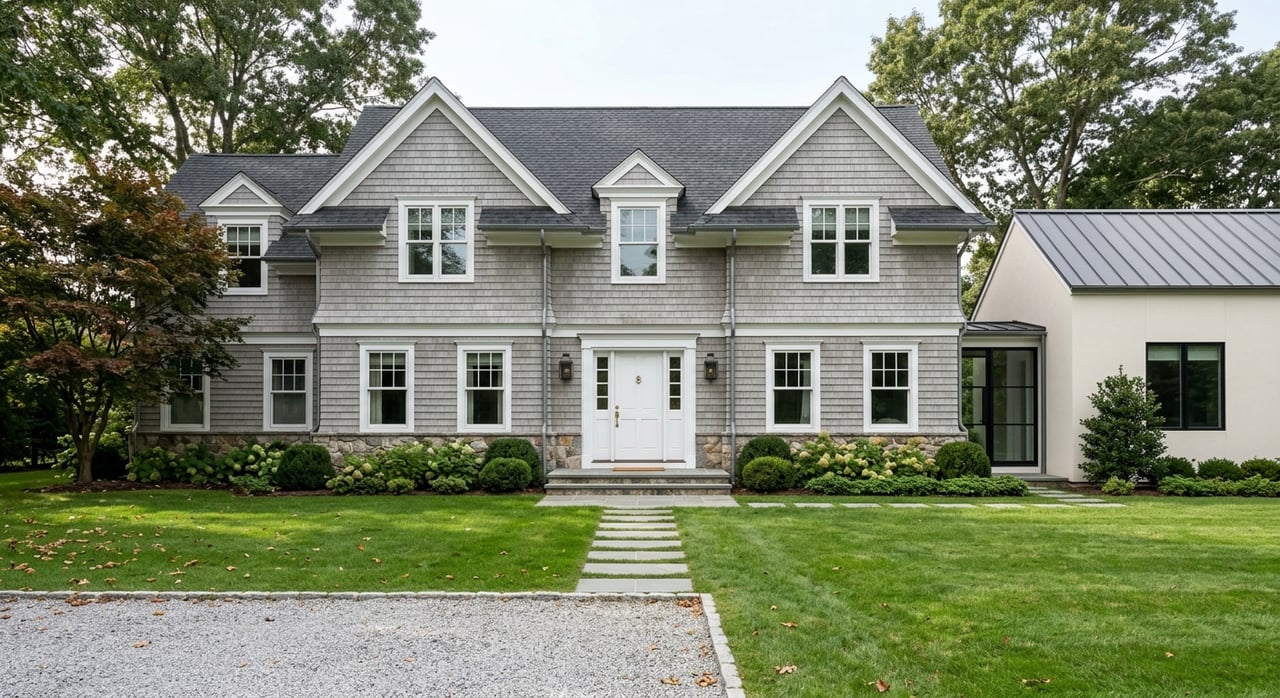
If you have ever driven through Weston and felt like the homes seem to belong to the land, you are not imagining it. This is a town where architecture, lot size, and landscape work together in a way that feels distinctly New England and deeply local. If you are buying, selling, or simply trying to understand what shapes Weston’s housing character, this guide will help you recognize the styles that define the market and what they mean in everyday living. Let’s dive in.
Why Weston Homes Feel Different
Weston’s housing story starts with the land. The town describes itself as a low-density residential community with minimal commercial development, abundant open space, and a zoning framework that often requires two-acre lots with generous frontage and one single-family home per lot.
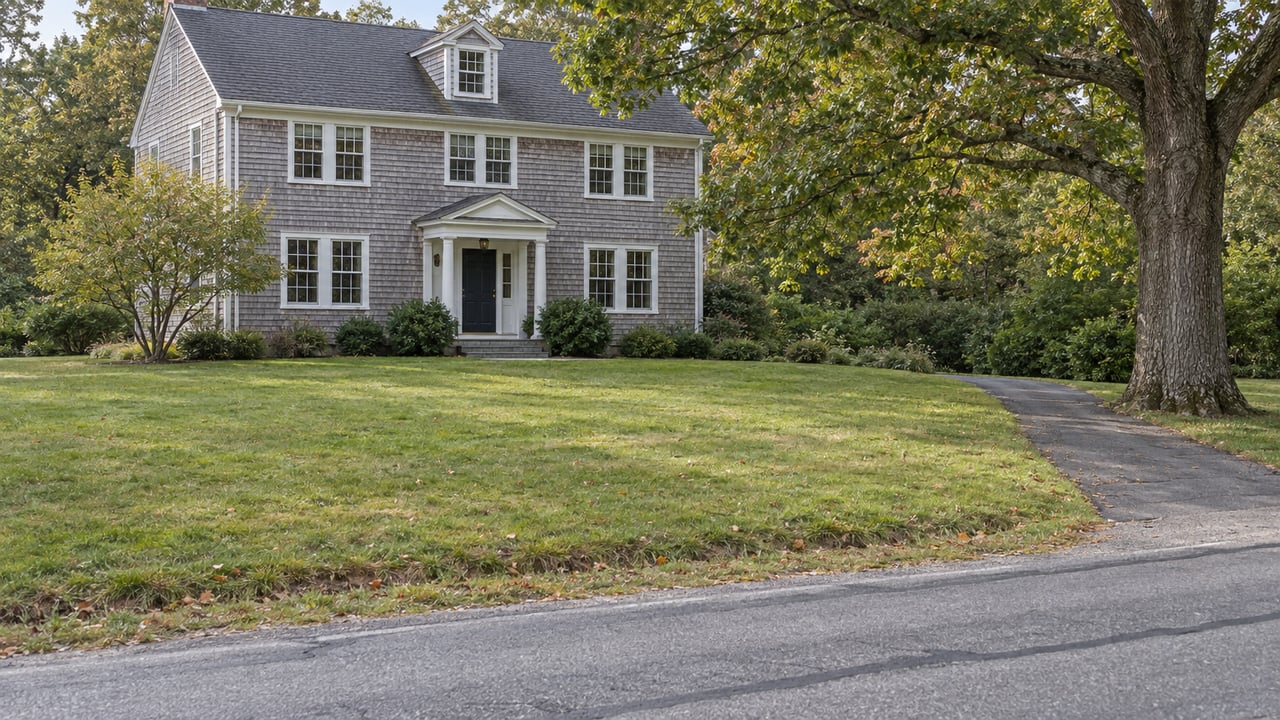
That planning approach helps explain why so many homes in Weston sit back from the road, framed by trees, stone walls, and long driveways rather than closely spaced subdivision streets. The result is a built environment that feels private, spacious, and tied to the natural landscape.
Weston also has a long architectural timeline. Early agricultural settlement, later industrial activity, and a 20th-century revival brought a layered mix of historic New England houses, midcentury design moments, and newer custom homes that still reflect traditional regional forms.
Colonial Homes in Weston
For many buyers, the classic Weston image is a Colonial home on a wooded lot. This is one of the town’s most visible and marketable home styles, especially when paired with mature landscaping, stone walls, and a setting near town center, lower Weston, or the school campus.
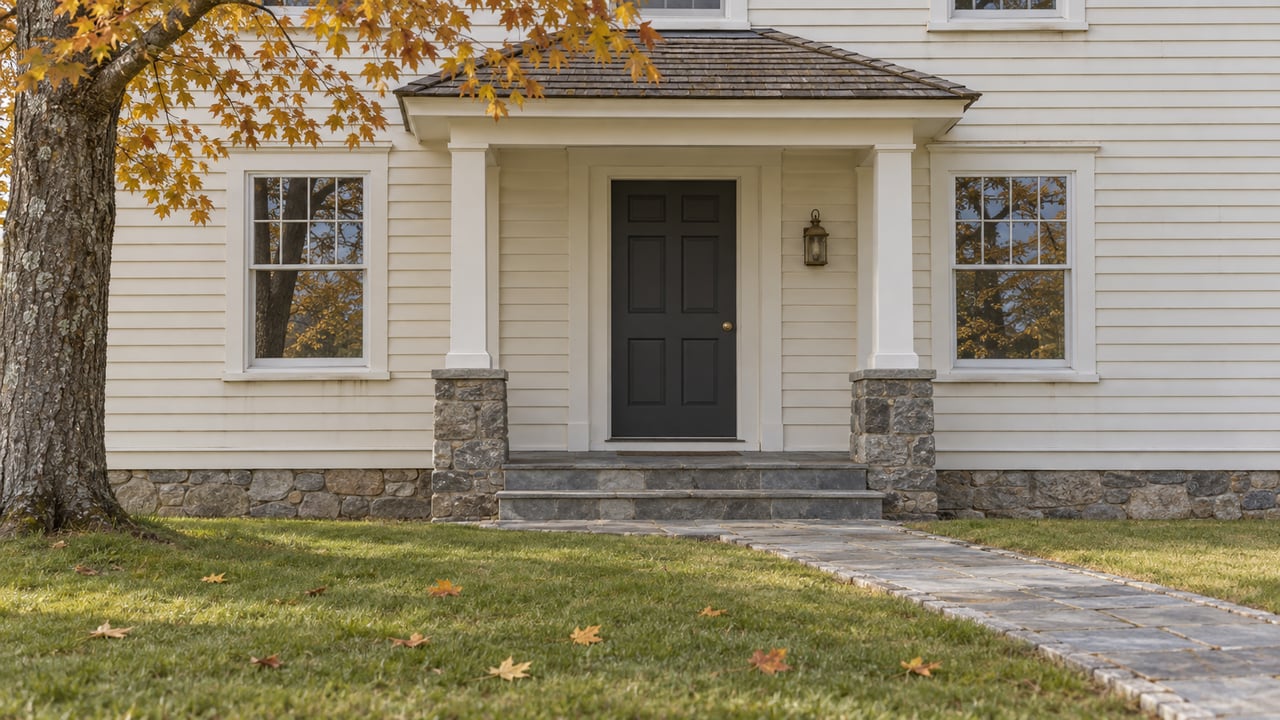
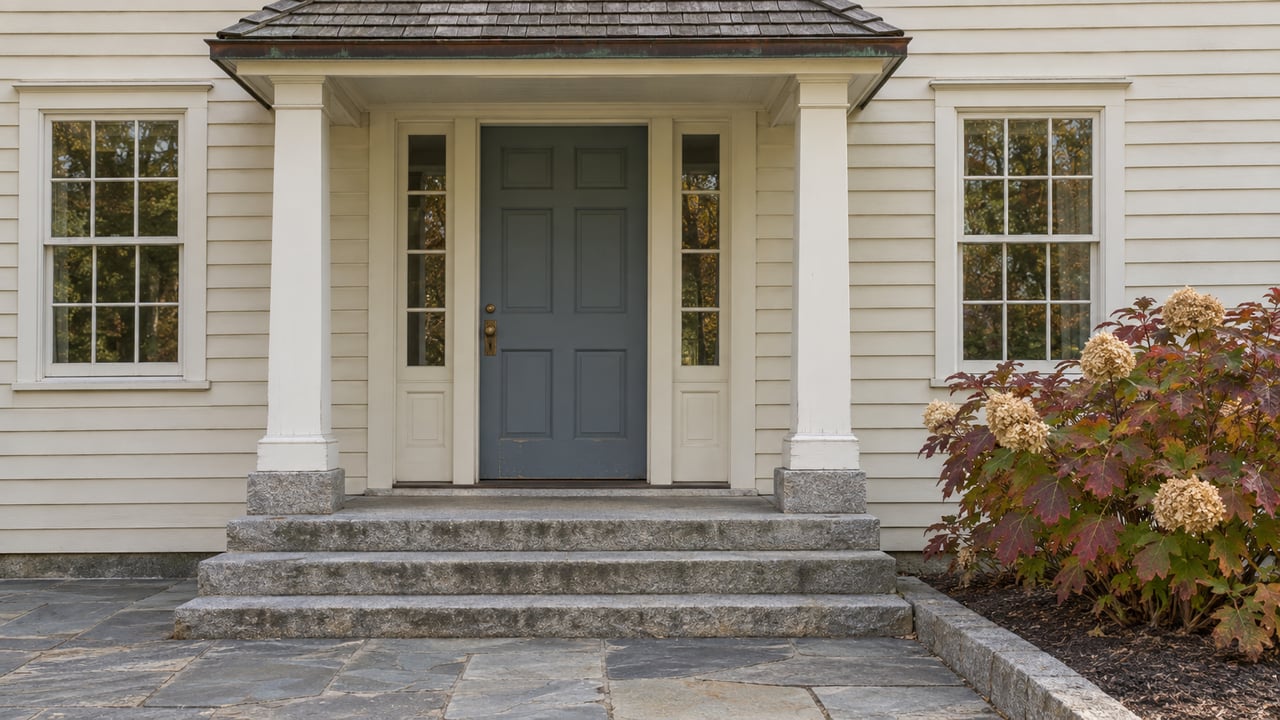
In western Connecticut, surviving historic house forms often include Cape Cod, saltbox, and New England farmhouse types with clapboard siding, central chimneys, and simple, balanced facades. Weston is specifically noted as one of the towns where significant numbers of these homes remain.
Today’s Colonial homes in Weston range from vintage residences with traditional room layouts to large custom interpretations with expansive square footage and modern amenities. In practical terms, that means you may find homes with a more formal living and dining structure, multiple office spaces, updated kitchens, and outdoor areas designed for entertaining.
What Colonial Style Often Offers
Colonial homes tend to appeal to buyers who want a timeless look and a clear sense of order. In Weston, they often combine classic curb appeal with the breathing room that comes from large lots.
Typical features may include:
- Symmetrical front facades
- Traditional room separation
- Clapboard or shingle-style exteriors
- Fireplaces and formal gathering spaces
- Mature plantings and stone wall details
- Outdoor living areas that take advantage of two-acre settings
Historic Colonial Roots in Weston
Weston’s historic districts help reinforce the importance of Colonial-era and Colonial Revival architecture in town. Kettle Creek is known for well-preserved Colonial Cape houses, while Norfield reflects a mix of Federal, Greek Revival, and later Colonial Revival influences.
For buyers and sellers, that history matters because it gives the town a strong architectural identity. Even newer homes often draw from this older New England vocabulary rather than breaking away from it completely.
Cape and Early New England Forms
Not every traditional home in Weston presents as a full Colonial. Cape forms and other early New England house types also play an important role in the town’s visual character, especially in historic areas.
These homes are usually simpler in shape and scale, with practical layouts and modest detailing. They often feel especially connected to Weston’s agricultural past and to the town’s long-standing rural identity.
For a buyer, these houses can offer charm, history, and a more intimate feel than larger estate-style properties. For a seller, they often stand out because they reflect a part of Weston’s story that newer construction cannot replicate.
Farmhouse Style in Weston
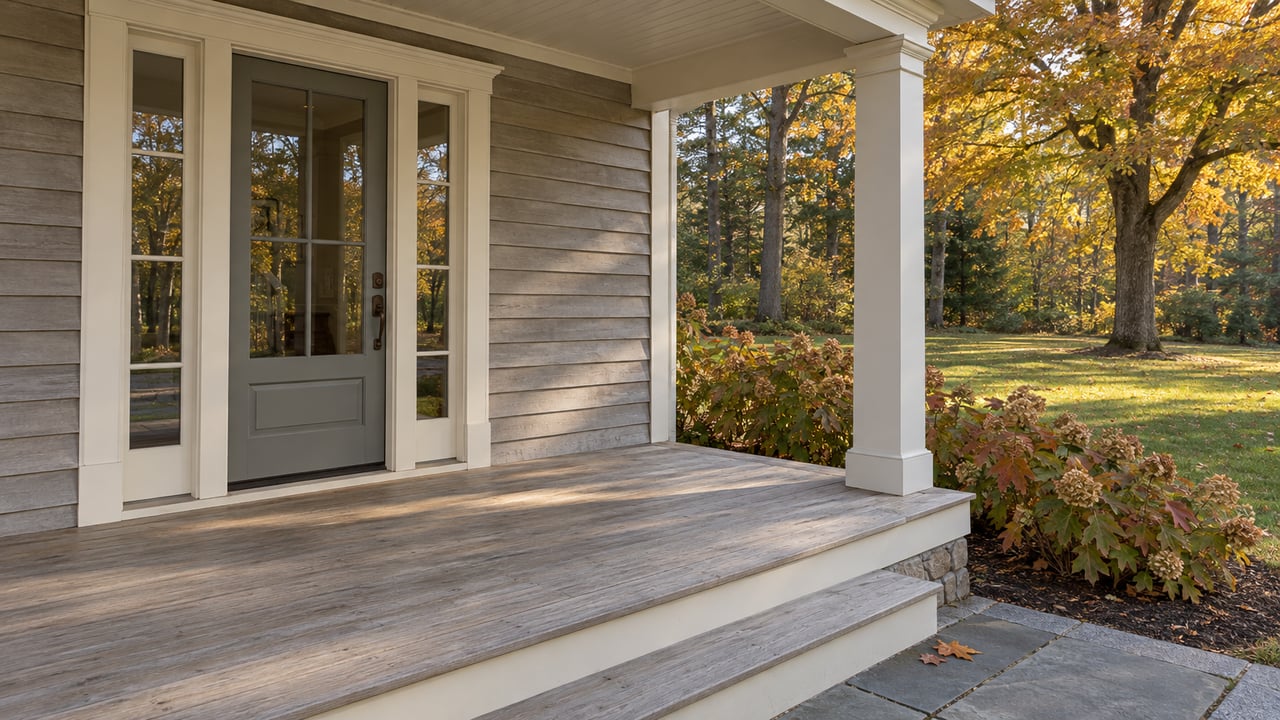
Farmhouse homes, including contemporary farmhouse interpretations, have become a strong bridge between Weston’s traditional roots and modern living. The town’s village district guidelines explicitly recognize forms such as Contemporary Farmhouse, Greek Revival, Federal, Georgian, and Colonial.
The contemporary farmhouse is described in Weston’s design guidance as a two- to two-and-a-half-story house with multiple attached volumes, a steep pitched roof, clean lines, minimal detailing, larger windows, and a mix of traditional and newer materials. That makes it a natural fit for buyers who want classic character with a more open and current layout.
Why Farmhouse Design Fits Modern Buyers
In Weston, farmhouse-style homes often support the way people live now. They tend to emphasize flow, flexibility, and easy indoor-outdoor connection while still feeling at home in a New England setting.
Common features often include:
- Larger kitchen and gathering spaces
- Mudroom-oriented layouts
- Bigger windows and more natural light
- Flexible rooms for offices or guests
- Patios or decks that extend living space outdoors
- A mix of rustic and refined finishes
This style works well in Weston because it respects the town’s architectural language without feeling overly formal. It can be especially appealing if you want warmth and character but also value openness and function.
Contemporary Homes in Weston
Contemporary homes are a more distinct niche in Weston, but they add important variety to the market. Rather than symmetry and formal hierarchy, these homes often focus on light, openness, privacy, and a strong relationship to the site.
A local example from the market describes a 1970s contemporary set on private acreage with soaring ceilings, an open living and dining area, a large deck, a pond, and adjacency to open space. That combination captures what many buyers notice about Weston’s contemporary homes: they often feel both airy and secluded.
How Contemporary Style Lives on the Land
In Weston, a contemporary home is often as much about setting as architecture. Large lots, wooded buffers, water features, and open space can make these homes feel like retreats.
You may see features such as:
- Open floor plans
- Dramatic ceiling heights
- Large expanses of glass
- Decks and terraces
- Strong views into the landscape
- Less formal room division
If you are drawn to privacy, natural light, and a more relaxed layout, this style can be compelling. It offers a different living experience from the traditional Colonial while still benefiting from Weston’s low-density setting.
Midcentury Modern Rarities
Midcentury modern homes are less common in Weston, which is exactly why they stand out when they appear. These properties can be highly memorable because they bring together design history, clean lines, and a close connection between indoors and outdoors.
One recent listing described a 1956 midcentury modern retreat with walls of glass, a stone fireplace, terrace spaces, a pool, a cabana, and a detached studio. Weston also has recognized mid-20th-century modern significance through the documented Greenwald House on Homeward Lane.
For the right buyer, these homes offer something truly distinctive. They are not the dominant style in town, but they are an important part of Weston’s architectural mix and can attract strong interest because of their rarity.
Newer Custom Builds and Estate Homes
Newer custom homes in Weston often take the familiar shapes of Colonial or farmhouse-inspired design and scale them up for modern expectations. Because many residential lots are large and remain partly wooded or open, these homes often have room for more individualized design and resort-style outdoor features.
Current market examples include custom Connecticut Colonials with private offices, gyms, pools, cabanas, and substantial finished square footage, as well as new-construction homes that combine classic craftsmanship with open plans, double-island kitchens, and high-efficiency systems.
What Defines a Newer Custom Weston Home
These homes are rarely generic. In Weston, newer custom builds tend to reflect the town’s preference for traditional massing while meeting today’s demand for comfort, privacy, and versatility.
Common characteristics may include:
- Large private lots
- Expanded Colonial or farmhouse-inspired exteriors
- Open kitchen and family spaces
- Multiple office options
- Finished lower levels or bonus spaces
- Pools, terraces, and outdoor entertaining areas
- A strong connection to woods, lawns, or open space
If you are selling a newer custom home, its value often comes from both the house itself and how well it uses the property. If you are buying, it helps to look at the full picture: architecture, lot placement, privacy, and everyday livability.
How to Read Weston’s Style Cues
In Weston, architecture is only part of the story. Buyers often respond just as strongly to the setting cues that come with a home.
Listing language in town frequently highlights wooded parcels, stone walls, pond or river frontage, long driveways, cul-de-sacs, and proximity to town center or the school campus. These details shape how a house lives, not just how it looks.
That is why the most useful way to think about Weston homes is not simply by label alone. A Colonial on a lower-Weston cul-de-sac, a Cape in a historic district, a farmhouse on level acreage, and a contemporary bordering open space each create a different daily experience.
What This Means if You’re Buying or Selling
If you are buying in Weston, understanding architecture can help you narrow your search faster. Traditional Colonials and farmhouse-derived homes represent the broadest part of the market, while contemporaries and midcentury homes tend to serve buyers looking for something more specific.
If you are selling, your home’s style is part of its story, but so is its setting. In Weston, a smart presentation often connects the architecture to the property itself, whether that means privacy, open lawn, historic character, or a seamless indoor-outdoor layout.
Weston rewards local understanding. The same square footage can feel very different depending on style, lot shape, district context, and how the home relates to the landscape around it.
When you are ready to understand how your home fits into Weston’s architectural and market story, Camelot Real Estate can help you evaluate its position with the local insight and high-touch guidance that define this town.
FAQs
What architectural style is most common in Weston, CT?
- Weston’s most visible and broadly marketable homes are traditional Colonials and farmhouse-derived houses, based on the town’s zoning, historic-district documentation, and current listing mix.
Does Weston, CT have historic homes?
- Yes. Weston has seven historic districts, with Kettle Creek known for Colonial Cape houses and Norfield associated with Federal, Greek Revival, and Colonial Revival architecture.
Why are lots in Weston, CT so large?
- Weston’s low-density zoning framework often requires at least two acres per lot, along with frontage requirements and one single-family dwelling per lot.
Are contemporary homes common in Weston, CT?
- Contemporary homes are present in Weston but are generally a more distinct niche than Colonial and farmhouse-style homes.
Do new homes in Weston, CT still follow traditional design?
- In many cases, yes. Newer homes in Weston often use Colonial or farmhouse-inspired forms and adapt them with larger kitchens, open layouts, office space, and updated systems.
What should buyers notice beyond architectural style in Weston, CT?
- In Weston, it helps to pay attention to setting cues such as wooded acreage, stone walls, long driveways, water features, open space, and proximity to town center or the school campus.